Compare Pool Enclosures Structural Materials and Thermal Performance
Constructing protective enclosures over residential swimming pools requires balancing structural engineering, thermal physics, and local municipal zoning codes. Modern property owners evaluate diverse enclosure systems to extend swimming seasons, minimize chemical evaporation, and reduce debris accumulation. Compare Pool Enclosures. However, enclosing large water bodies introduces complex challenges regarding indoor humidity, condensation management, and structural wind resistance.
Evaluating pool cover options involves analyzing regional weather patterns, local wind load requirements, and structural framing capacities before finalizing construction plans. Installing unengineered enclosures in high-wind zones or heavy snow belts leads to structural collapse, panel delamination, and costly property damage. Choosing incompatible framing metals or inadequate foundation anchors accelerates corrosion, compromising long-term safety and visual appeal.
Creating a durable pool enclosure requires utilizing marine-grade aluminum extrusions, UV-stabilized multi-wall polycarbonate panels, laminated glass, and stainless steel fasteners. Incorporating thermal breaks, automated ventilation louvers, and commercial dehumidification systems maintains a comfortable indoor environment while preventing structural mold growth. Comprehensive engineering planning ensures that custom pool enclosures maintain structural stability and architectural elegance across decades of heavy exposure.
This analytical guide examines structural framing mechanics, glazing performance, moisture control strategies, and wind load calculations for residential pool installations. Mastering these technical principles enables builders, architects, and homeowners to construct resilient pool structures across diverse American microclimates.
Understanding Compare Pool Enclosures Structural Mechanics
Thermal Dynamics and Moisture Condensation Management
Executing a project to compare pool enclosures requires analyzing how large water bodies release heat and moisture into enclosed air volumes. Warm pool water evaporates continuously, raising relative humidity levels inside closed structures and causing aggressive condensation on cold metal frames. Installing continuous thermal breaks and dedicated HVAC dehumidification systems prevents structural water damage and preserves indoor air quality.
Regional Microclimate Exposure and Glazing Selections
Assessing regional solar intensity, ambient temperature swings, and wind speeds prevents premature glazing degradation, yellowing, and thermal cracking. Polycarbonate panels expand significantly under intense solar heat, requiring flexible rubber gasketing systems to prevent buckling along aluminum framing channels. Selecting appropriate UV-protected glazing layers shields swimmers from harmful solar rays while maintaining high structural rigidity.
Deep Contextual Background
The Evolution of Residential Swimming Pool Enclosures
For decades, basic pool protection consisted of flat mesh safety covers or simple open-air aluminum screen rooms designed primarily to block falling leaves. While traditional screen enclosures kept out debris, they offered zero thermal insulation, allowing pool water to cool rapidly during autumn months. Modern architectural demands shifted toward rigid glazed enclosures that trap solar heat, extending swimming seasons through winter months.
Material Transitions from Screen Meshes to Rigid Glazing
Advances in polymer extrusion technologies enabled manufacturers to produce multi-wall polycarbonate and laminated glass panels with high impact resistance. Lightweight structural aluminum profiles support rigid glazing panels over wide spans without requiring middle support columns that obstruct pool decks. Applying factory powder coatings shields metal framing surfaces from aggressive chlorine vapors, eliminating corrosion cycles.
Conceptual Frameworks and Mental Models
The Enclosure Vapor Barrier and Humidity Model
Analyzing vapor pressure differentials between indoor pool air and outdoor ambient environments prevents destructive moisture migration through building walls. Warm moisture-laden air exerts constant pressure against glazing joints, seeking out microscopic gaps to escape into colder structural cavities. Installing continuous vapor barriers and automated exhaust fans balances indoor relative humidity, stopping mold growth and wood decay.
The Wind Load Shear and Enclosure Anchorage Framework
Evaluating how lateral wind forces push against large vertical glass and polycarbonate walls ensures structural stability during severe storms. High winds sweeping across open yards generate powerful positive pressure against windward enclosure walls and negative suction over roof surfaces. Anchoring heavy aluminum base plates to reinforced concrete pool decks prevents structural frames from lifting or sliding during severe gales.
Key Categories of Swimming Pool Enclosures
Low-Profile Telescopic Polycarbonate Enclosures
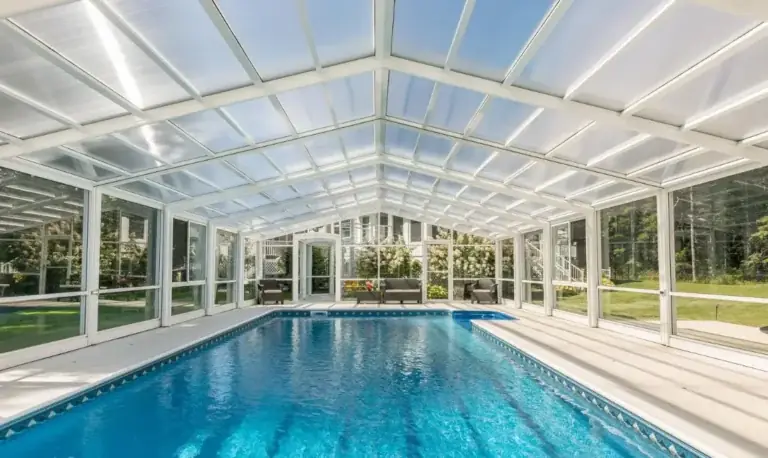
Telescopic polycarbonate enclosures feature modular arched sections that slide smoothly on flush floor tracks, allowing owners to open or close the pool area. Lightweight multi-wall polycarbonate glazing provides high insulation values, trapping solar heat to warm pool water naturally without auxiliary heaters. Telescopic nesting designs enable users to convert indoor pools into open-air swimming environments within minutes.
High-Clearance Structural Aluminum Screen Enclosures
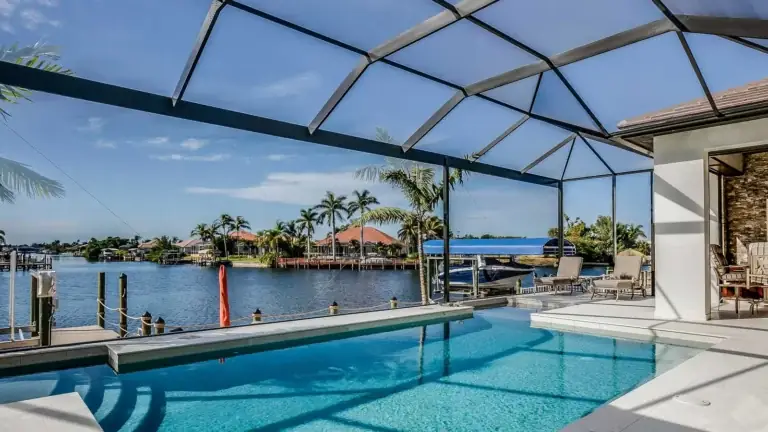
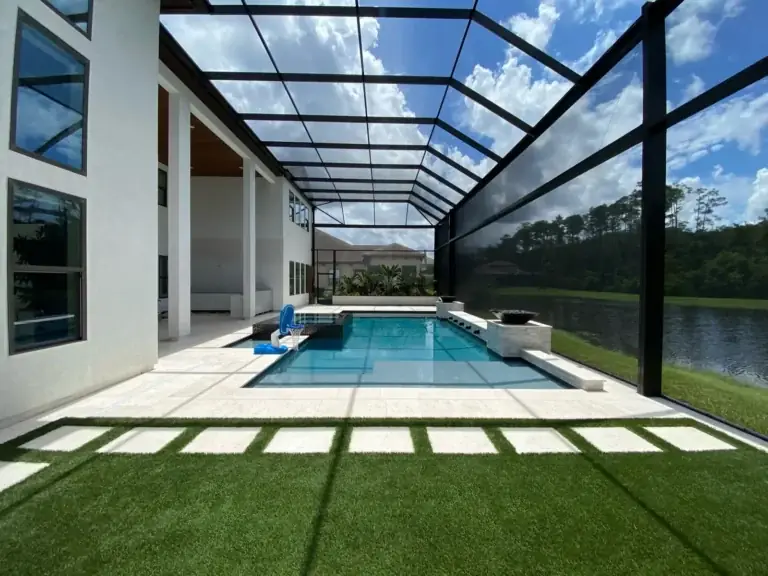
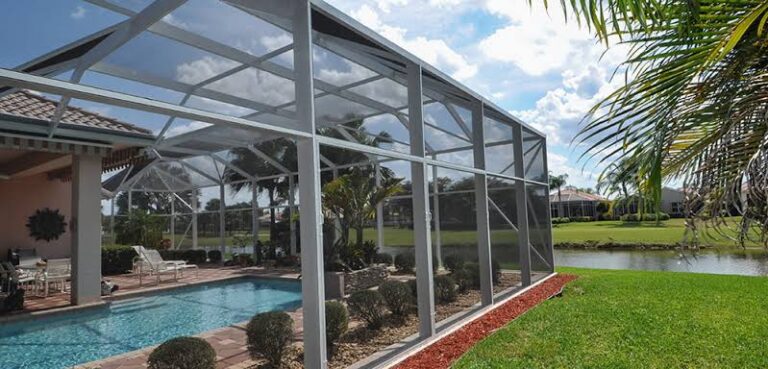
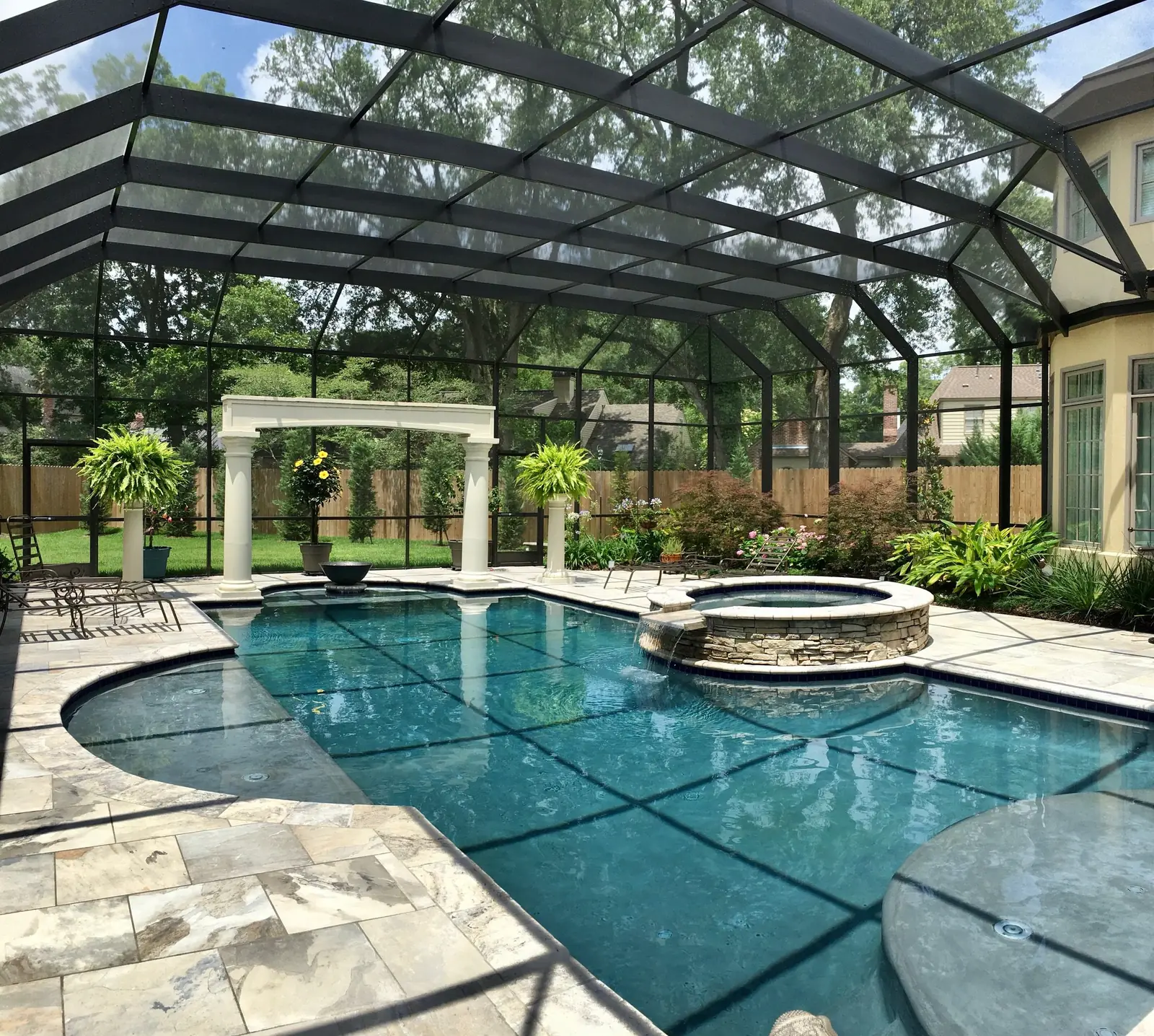
High-clearance aluminum screen enclosures utilize extruded framing covered with heavy-duty fiberglass or polyester insect screening for year-round debris control. Screen enclosures allow maximum natural breeze circulation while blocking leaves, insects, and harsh direct sunlight from entering pool decks. However, standard screen meshes offer no thermal insulation or wind protection during cold winter months.
Retractable Glass Motorized Enclosures
Motorized retractable glass enclosures combine structural aluminum framing with automated tempered glass roof panels driven by electric motors. Heavy-duty linear actuators slide glass panels open at the push of a button, blending indoor pool luxury with outdoor patio living. Integrated rain and wind sensors close glass panels automatically when adverse weather conditions are detected.
Geodesic Dome Acrylic Enclosures
Geodesic dome enclosures utilize triangular structural framing networks covered with molded acrylic or polycarbonate panels, creating aerodynamic hemispherical shapes. Spherical dome designs distribute wind pressures evenly across all structural members, offering exceptional wind resistance in coastal hurricane zones. Transparent panels flood interior pool decks with natural daylight while maintaining high thermal retention efficiency.
Comparative Enclosure System Analysis
Evaluating swimming pool enclosure options highlights critical trade-offs in thermal insulation, wind resistance, initial cost, and maintenance requirements.
| Enclosure System Class | Thermal Insulation | Wind Resistance | Initial Capital Cost | Maintenance Demand |
| Telescopic Polycarbonate | High (Multi-Wall Panels) | Moderate to High | High | Moderate (Track Cleaning) |
| High-Clearance Screen | None (Open Mesh) | Moderate | Moderate | Low (Screen Patching) |
| Motorized Retractable Glass | Moderate to High | High | Very High | High (Motor/Seal Care) |
| Geodesic Dome Acrylic | High (Curved Panels) | Exceptional | High | Moderate (Panel Washing) |
Systematic Selection Logic for Residential Pools
Selecting pool enclosure types requires following a logical decision sequence based on site constraints and climate goals:
-
Evaluate Seasonal Swimming Objectives:
-
Specify telescopic polycarbonate or motorized glass enclosures when year-round swimming in heated indoor environments is required.
-
Choose high-clearance screen enclosures for warm southern climates where seasonal debris and insect control are primary goals.
-
-
Determine Structural Wind Load Requirements:
-
Select geodesic dome or heavily reinforced aluminum frame systems for properties located in coastal hurricane-prone regions.
-
Use standard modular telescopic enclosures in sheltered inland suburban yards with moderate wind speeds.
-
Detailed Real-World Scenarios Compare Pool Enclosures
Scenario A: High-Wind Coastal Hurricane Zone Installation
A coastal home sitting near the Florida coast experiences high humidity, salt spray, and tropical storm winds exceeding 130 miles per hour. Standard screen enclosures experience structural panel blowouts and frame twisting during tropical storms. The engineering team specifies a reinforced aluminum frame with high-impact laminated glass panels and heavy stainless steel deck anchors.
Scenario B: Heavy Snow Load Northern Mountain Enclosure
A residential pool built in a northern mountain resort region experiences heavy winter snowfalls exceeding sixty pounds per square foot. Installing a flat-roofed screen enclosure would cause structural collapse under wet winter snow packs. The builder specifies a steep-pitched geodesic dome enclosure that allows snow to slide off its curved acrylic panels naturally.
Scenario C: High-Humidity Indoor Pool Condensation Control
An indoor pool enclosure experiences severe window fogging and structural corrosion due to high indoor relative humidity levels. Without proper climate control, trapped moisture rots surrounding drywall and rusts metal framing fasteners rapidly. The mechanical engineer installs a dedicated commercial dehumidification system linked to automated exhaust ductwork.
Financial Dynamics, Cost, and Resource Planning
Budgeting for custom pool enclosures requires accounting for raw material grades, glazing types, foundation engineering, and HVAC dehumidification equipment.
| Budget Allocation Category | Share Percentage | Primary Cost Drivers | Cost Control Strategy |
| Structural Framing & Glazing | 45% – 55% | Metal Alloy, Glass vs Polycarbonate | Standardize enclosure module widths to match factory production lines. |
| Foundation & Deck Anchors | 15% – 20% | Concrete Slab Thickness, Steel Dowels | Pour reinforced concrete tie-beams during initial pool shell construction. |
| HVAC & Dehumidification Systems | 15% – 20% | Moisture Removal Capacity, Ductwork | Size dehumidifiers accurately using precise indoor pool surface calculations. |
| Engineering Permits & Stamps | 5% – 10% | Wind Load PE Review, Zoning Filing | Submit pre-engineered structural drawings during initial municipal filing. |
Direct and Indirect Enclosure Procurement Cost Drivers
Investing in high-grade aluminum alloys, stainless steel fasteners, and insulated polycarbonate glazing preserves property values long-term. Cheaper framing materials degrade quickly when exposed to chlorine vapors and humidity, resulting in frequent repair bills and premature replacement costs. Allocating adequate capital upfront eliminates recurring repair expenses and protects pool investments over decades of operation.
Twenty-Year Total Ownership Cost Allocation
Calculating total cost of ownership involves combining initial material purchases, installation labor, HVAC energy consumption, and periodic maintenance over twenty years. Premium telescopic and glass enclosures demand higher initial investments but reduce pool heating and chemical costs significantly over their operational lifespans. Lower-cost screen structures often incur high long-term heating and maintenance costs that surpass initial purchase price savings over time.
Tools, Strategies, and Support Systems
Deploying specialized thermal break extrusions, dehumidification equipment, stainless steel anchors, and engineering software ensures enclosure success.
Thermal Break Extruded Aluminum Framing Profiles
Installing thermal break aluminum extrusions prevents heat transfer between indoor pool air and cold outdoor metal surfaces, stopping condensation formation. Thermal break profiles insert rigid polymer struts between interior and exterior aluminum halves, interrupting thermal conduction paths. Utilizing thermally broken framing improves indoor energy efficiency and stops water dripping onto pool decks.
Automated Mechanical Dehumidification Systems
Deploying commercial-grade mechanical dehumidifiers removes excess moisture from enclosed pool air, protecting building structures from mold and rust. Self-contained refrigeration dehumidifiers extract water vapor from indoor air, recycling latent heat back into pool water to reduce heating energy costs. Automated humidistat controls maintain relative humidity levels between 50 and 60 percent continuously.
Heavy-Duty Stainless Steel Anchor Fasteners
Securing enclosure base tracks to concrete pool decks using passivated 316 stainless steel wedge anchors ensures high pull-out resistance. Heavy steel anchors resist shear forces generated by high wind gusts blowing against vertical enclosure walls. Using marine-grade stainless steel hardware prevents red rust formation in aggressive pool chemical environments.
Risk Landscape and Failure Modes Compare Pool Enclosures
Identifying structural risk factors allows engineering teams to implement protective measures during early design phases.
Electrolytic Metal Corrosion in Enclosed Moisture
Connecting dissimilar metals, such as carbon steel fasteners to aluminum framing channels, causes rapid galvanic corrosion in humid pool enclosures. The active aluminum metal corrodes quickly, weakening structural joints and loosening heavy roof beam connections over time. Using matching metal alloys or installing polymer isolation washers prevents direct electrical contact, eliminating galvanic corrosion hazards.
Extreme Wind Uplift and Panel Shear Failure
High wind gusts blowing across flat or low-slope enclosure roofs generate powerful upward suction forces that test roof panel connections. Weak glazing retainer clips can shear off under strong wind uplift, causing polycarbonate or glass panels to detach and fly away. Installing heavy-duty mechanical clamping profiles and structural silicone sealants prevents panel blowouts during severe storms.
Long-Term Governance, Maintenance, and Adaptation
Following structured maintenance protocols preserves glazing clarity and keeps sliding mechanisms operating smoothly through changing seasons.
Seasonal Enclosure Inspection and Cleaning Protocol
Rinsing polycarbonate or glass panels periodically with fresh water removes accumulated dust, pollen, and chlorine residue from surfaces. Clearing leaves and debris from track assemblies and roof gutters prevents drainage blockages during heavy rainstorms. Inspecting sliding door rollers and motorized drive linkages quarterly ensures smooth mechanical operation.
Preventive Maintenance and Glazing Integrity Checklist
Executing regular technical inspections keeps enclosure frames, glazing panels, and climate systems working safely:
-
Quarterly Freshwater Panel Washing:
-
Washing glazing panels and aluminum framing thoroughly with mild soap solutions and soft brushes.
-
Flushing floor tracks and drainage channels to remove sand, dirt, and organic debris accumulation.
-
-
Semi-Annual Mechanical and Hardware Audit:
-
Inspecting 316 stainless steel anchor bolts and framing fasteners, re-tightening loose hardware to specified torque values.
-
Lubricating sliding tracks, roller bearings, and motorized hinges with silicone-based lubricants.
-
Testing automated dehumidifier condensate drains and safety limit switches for correct operation.
-
-
Annual Structural and Sealant Check:
-
Examining rubber gasketing and structural silicone joints for cracking, shrinking, or water leaks.
-
Checking aluminum framing members for surface chalking, paint blistering, or corrosion spots.
-
Measurement, Tracking, and Evaluation Metrics
Tracking indoor humidity levels, energy consumption, and structural alignment provides objective data regarding enclosure health over time.
Leading and Lagging Enclosure Performance Signals
Leading indicators track relative humidity levels, fastener torque values, and frame plumbness during initial construction. Using digital hygrometers verifies mechanical dehumidifiers maintain target indoor humidity ranges. Checking structural frame alignment with laser levels ensures telescopic sections slide without binding or motor strain.
Lagging indicators evaluate glazing light transmission, seal degradation, and frame corrosion levels over extended service years. Monitoring polycarbonate yellowing confirms protective UV coating performance over time. Measuring pool heating energy consumption confirms thermal insulation panels perform efficiently.
Technical Enclosure Inspection Audit Protocol
Executing technical quality checks during construction ensures structural resilience and long-term operating safety:
-
Hardware Verification: Confirming all structural framing bolts and anchors consist of passivated 316 stainless steel.
-
Vapor Barrier Inspection: Verifying continuous sealing around all foundation perimeters to stop moisture migration.
-
HVAC Capacity Testing: Running commercial dehumidifiers at full load to verify rapid moisture removal from pool air.
-
Wind Sensor Calibration: Simulating high wind speeds to confirm automated motorized enclosures close correctly.
Common Misconceptions and Architectural Myths Compare Pool Enclosures
Correcting widespread industry myths helps property owners make informed decisions based on building science and structural engineering facts.
Myth 1: Enclosures Eliminate Swimming Pool Cleaning Tasks Completely
Correction: Enclosures block falling leaves, dust, and outdoor debris effectively, but indoor humidity and chemical vapors still require routine water balancing and wall washing. Algae spores can enter through open doors or ventilation fans, requiring standard pool chemical maintenance. Enclosures reduce debris entry significantly but do not eliminate the need for regular pool filtration and vacuuming.
Myth 2: Standard Screen Enclosures Provide Winter Thermal Heat Retention
Correction: Standard fiberglass or polyester screen meshes offer zero thermal insulation value, allowing heat to escape freely into outdoor air. Screen rooms protect pools from bugs and leaves, but swimming water cools rapidly during cold winter months without dedicated pool heaters. Retaining heat through winter requires upgrading from screen mesh to insulated multi-wall polycarbonate or glass glazing systems.
Environmental, Contextual, and Regional Considerations
Designing swimming pool enclosures requires accounting for local wildlife regulations, building energy codes, and environmental safety standards.
Local Wildlife Enclosure Mesh Regulations
Coastal municipalities and wildlife agencies enforce strict mesh sizing rules on pool enclosures to prevent native animals from entering pool areas. Using heavy-duty pet-resistant screening or rigid security bars prevents small wildlife, frogs, and birds from falling into pool water. Complying with local wildlife safety codes protects native fauna while maintaining clean outdoor living spaces.
Energy Efficiency Building Code Compliance
Modern building energy codes mandate strict thermal insulation U-values for residential pool enclosures heated by fossil fuel or electric systems. Specifying thermally broken aluminum frames and multi-wall polycarbonate glazing satisfies local energy efficiency standards, reducing residential utility operating costs. Energy-compliant design lowers carbon footprints while maintaining comfortable indoor pool temperatures year-round.
Strategic Architectural Conclusion
Designing enduring swimming pool enclosures across diverse American landscapes requires balancing structural engineering, building science, and refined architectural aesthetics. Property owners and architects must evaluate local microclimates and heating goals to select appropriate systems when they compare pool enclosures for residential properties. Specifying marine-grade aluminum, 316 stainless steel fasteners, insulated polycarbonate or glass glazing, and commercial dehumidification guarantees structural longevity.
Achieving long-term construction success depends on balancing initial capital investments against ongoing maintenance requirements and energy performance realities. Prioritizing high-performance framing alloys, certified wind engineering, smart climate controls, and routine freshwater maintenance prevents early material decay and structural failure. Systematic technical planning transforms outdoor swimming pools into comfortable, protected aquatic environments that withstand diverse weather conditions for decades.