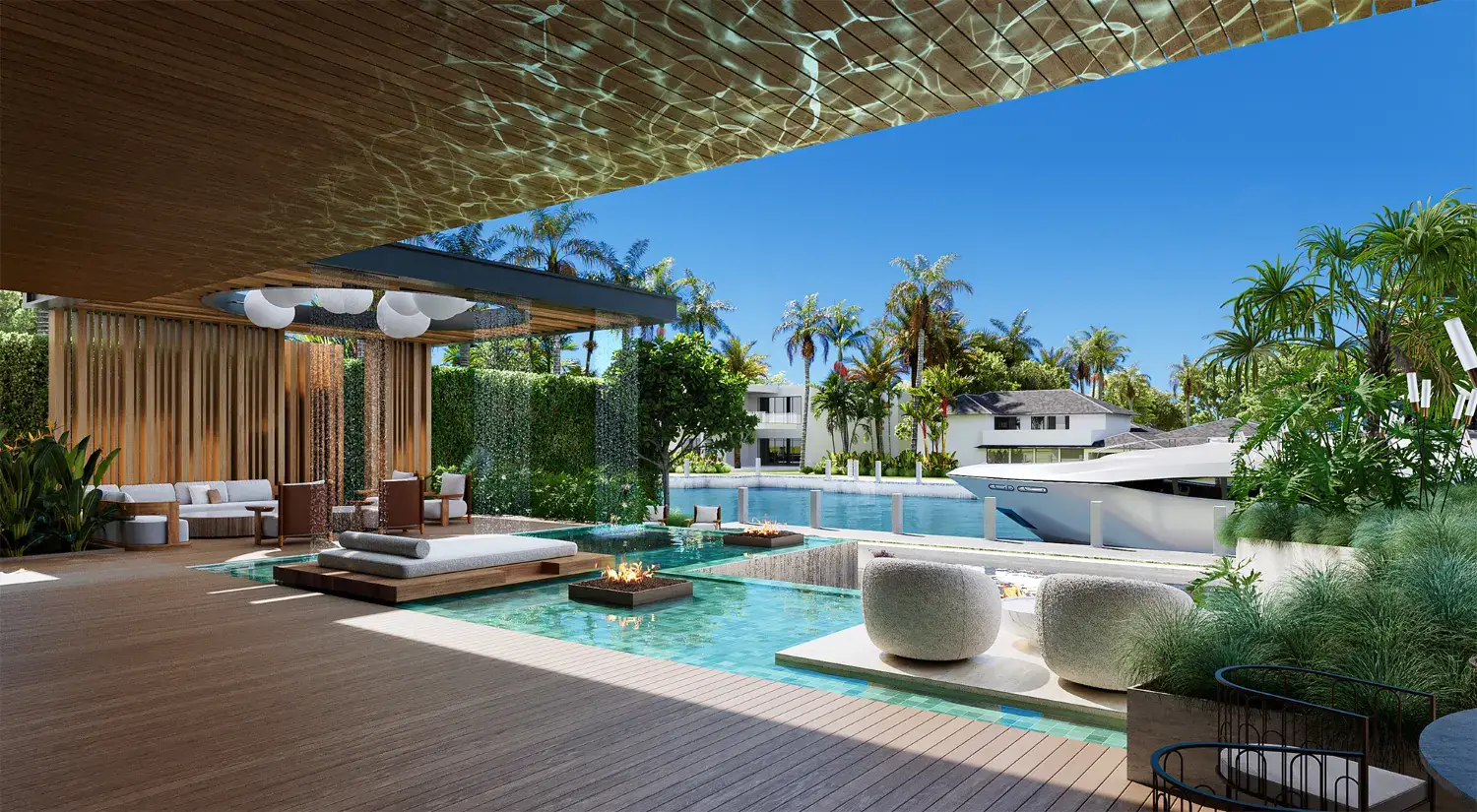
Modern Outdoor Living Pool Usa Architectural Engineering Standards
Constructing premier residential aquatic environments across diverse American geographies demands rigorous integration of landscape architecture, hydraulic engineering, and structural mechanics. Homeowners commissioning projects to build the modern outdoor living pool usa benchmark must navigate complex challenges ranging from severe weather extremes to strict municipal safety codes. Developing these comprehensive backyard sanctuaries involves coordinating intricate pool basins, automated filtration networks, and durable travertine decking.
Establishing a resilient outdoor design blueprint requires analyzing soil composition, natural water drainage patterns, and solar exposure angles before breaking ground. Relying on generic national pool templates without accounting for regional microclimate shifts invites premature surface cracking and costly structural ground shifting. Proactive environmental planning ensures that surrounding hardscape structures distribute loads safely while fostering balanced local ecosystems.
Executing a successful aquatic sanctuary project utilizes precise laser grading measurements, marine-grade stainless steel fixtures, and efficient water management infrastructure. Comprehensive spatial planning transforms raw residential land into a sustainable, long-term asset that elevates daily living standards across changing seasons.
This analytical guide examines regional pool retreat categories, hydrodynamic engineering frameworks, financial resource planning, and long-term maintenance strategies for American residential properties. Mastering these technical principles enables property owners and landscape architects to achieve uncompromising environmental and aesthetic excellence.
Understanding “Modern Outdoor Living Pool Usa” Architectural Realities
Microclimate Zoning and Environmental Adaptability
Executing evaluations regarding the modern outdoor living pool usa market requires analyzing how distinct regional climate zones dictate water chemistry maintenance and pool shell durability. Pools designed for humid southeastern environments face unique algae proliferation challenges that differ entirely from the intense solar evaporation rates found in arid southwestern deserts. Implementing rigorous site-specific microclimate assessments ensures structural longevity and chemical stability.
Functional Zoning Versus Aesthetic Superficiality
Assessing how physical zones interact explains why prioritizing surface decoration over practical hydrodynamic circulation ruins residential backyard utility. Luxury pool retreats require distinct zones for active swimming, shallow lounging ledges, and equipment circulation without creating visual clutter. Specifying balanced architectural layouts guarantees comfortable transitions across every square foot of property.
Deep Contextual Background
Evolution of American Residential Aquatic Spaces
For decades, early American backyards served primarily as utilitarian grass lawns featuring simple rectangular swimming pools with minimal surrounding architecture or integrated living structures. As modern architectural design evolved, homeowners sought seamless extensions of indoor living areas into adjacent pool pavilions, inspiring sophisticated outdoor rooms. Modern landscaping innovations introduced integrated negative-edge designs, automated chemical controllers, and advanced variable-speed pumps that revolutionized residential property utilization nationwide.
Transition from Simple Basins to Complex Experiential Sanctuaries
Engineering advancements propelled the transition from rudimentary concrete ponds to fully engineered, multi-tiered experiential aquatic sanctuaries. Modern design protocols integrate computer-aided hydraulic modeling, smart automated sanitization systems, and energy-efficient LED underwater lighting networks. Adopting certified professional pool systems ensures maximum ecological health, safety compliance, and structural integrity.
Conceptual Frameworks and Mental Models
The Hydrodynamic Circulation and Filtration Model
Analyzing how water moves through skimmers, main drains, and return jets helps eliminate dead zones across residential swimming pools. When primary plumbing lines connect variable-speed pumps directly to multi-port filters and salt-chlorine generators, water clarity increases significantly. Aligning pool geometry with natural hydraulic flow patterns prevents algae accumulation and improves chemical distribution.
The Thermal Sustainability and Evaporation Equilibrium
Evaluating long-term heating commitments helps property owners assess the true economy of investing in complex pool enclosure and blanket installations. Initial heater purchase savings mean little if unmanaged evaporation triggers high utility bills within three seasons. Selecting high-efficiency inverter heat pumps and liquid solar blankets optimizes overall pool maintenance expenses.
Key Categories of American Aquatic Retreat Styles
Pacific Northwest Temperate Rainforest Pool Sanctuaries
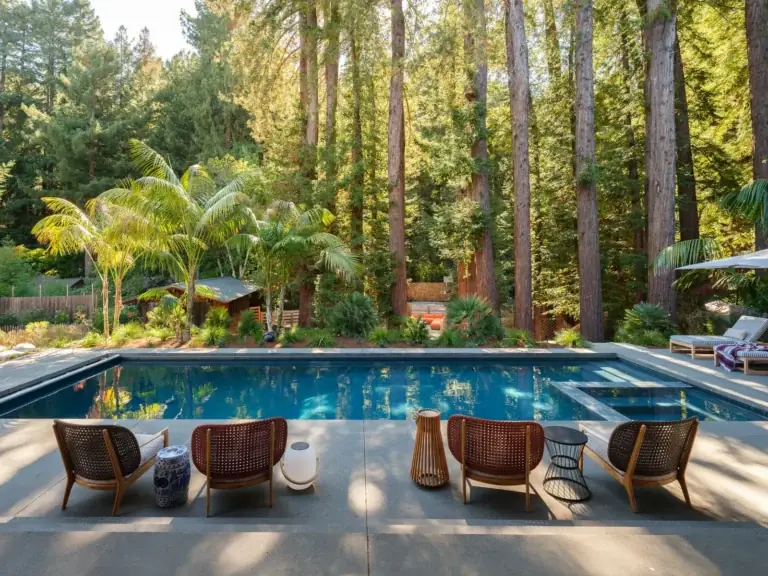
Constructing temperate rainforest pool retreats utilizes natural mossy boulders, dark granite coping, and heavy cedar decking that harmonize with misty coastal weather. Northwest designs incorporate permeable gravel perimeter drainage and automated safety covers to manage heavy rainfall runoff efficiently. These environments emphasize natural textures and contemplative green canopies.
Desert Southwest Modernist Xeriscape Pool Courtyards
Erecting modernist desert pool retreats features architectural concrete walls, light-colored reflective pool plaster, and striking architectural succulents such as agave. Xeriscape design minimizes municipal water consumption while providing clean, geometric lines that complement modern desert architecture. Integrated fire bowls and shaded cabanas offer comfortable evening relaxation spaces.
New England Coastal Historic Stone and Gunite Havens
Installing coastal New England pool retreats involves weathered fieldstone retaining walls, salt-tolerant limestone coping, and classic bluestone pool decks. These landscapes endure harsh winter nor’easters and corrosive ocean salt spray through the use of marine-grade bonding wires and durable native granite. Historic charm meets modern storm resilience.
Sunbelt Tropical Resort Poolside Pavilion Compounds
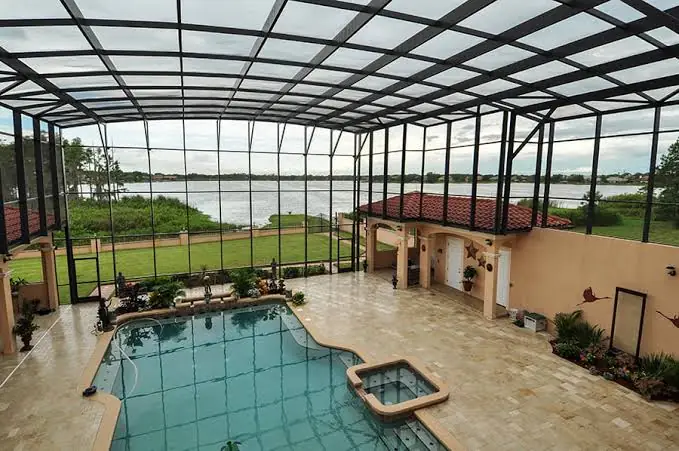
Building Sunbelt tropical pool compounds creates lush resort-style atmospheres featuring swim-up bars, cascading rock waterfalls, and sprawling travertine pool decks. Sunbelt retreats prioritize shaded cabanas, outdoor kitchen bars, and sophisticated misting systems to combat intense summer heat. These properties function as vibrant entertainment hubs.
Midwestern Sub-Urban Prairie Restoration Pool Refuges
Establishing Midwestern prairie pool refuges replaces manicured turf with native coneflowers, ornamental bluestem grasses, and natural stone coping. Prairie restorations attract local wildlife and require minimal chemical fertilizers or excessive mowing once established. Natural limestone pathways weave gracefully through tall native grasses to the water edge.
Appalachian Mountain Rustic Timber Terrace Pool Enclaves
Designing mountain pool retreats requires terracing steep rocky slopes with heavy timber retaining walls and rugged flagstone staircases leading down to custom gunite pools. Mountain enclaves integrate natural boulder outcroppings, native pine trees, and secluded wood-burning fire circles overlooking deep valley views. Structural terracing prevents soil erosion on challenging topography.
Comparative Regional Pool Retreat Analysis
Evaluating regional landscape categories highlights critical trade-offs in water management, maintenance intensity, and hardscape investment requirements.
| Regional Pool Retreat Style | Water Management Demand | Maintenance Intensity | Hardscape Investment | Climate Suitability |
| Pacific Northwest Rainforest | High (Drainage Focus) | Moderate | Moderate | Wet Temperate |
| Desert Southwest Xeriscape | Low (Conservation Focus) | Low | High | Arid Desert |
| New England Coastal Haven | Moderate | Moderate | High | Coastal Marine |
| Sunbelt Tropical Pavilion | High (Filtration Focus) | High | Exceptional | Humid Subtropical |
| Midwestern Prairie Refuge | Low | Low | Low | Continental |
| Appalachian Mountain Enclave | High (Erosion Control) | Moderate | High | Mountain Slopes |
Systematic Selection Logic for American Landscapes
Selecting the optimal regional pool retreat design requires following a logical decision sequence based on local geography and lifestyle goals:
-
Evaluate Regional Climate and Soil Conditions:
-
Specify drought-resistant xeriscapes and light-colored reflective pool finishes for arid southwestern zones.
-
Design deep French drains and cantilevered concrete bond beams for sloped, high-rainfall mountain properties.
-
-
Determine Lifestyle and Maintenance Preferences:
-
Choose automated chemical injection systems to minimize manual pool balancing and chlorine adjustments.
-
Opt for manicured travertine pool decks and structured tropical gardens for resort-style entertainment.
-
Detailed Real-World Scenarios Modern Outdoor Living Pool Usa
Scenario A: Seattle Sloped Terrain Rain Garden Oasis
A Seattle homeowner commissions a pool overhaul for a steep, waterlogged backyard that suffers from standing puddles during autumn storms. The landscape architect designs a terraced pool deck featuring native sword ferns, boulders, and perforated corrugated drain pipes beneath gravel swales. The new drainage system captures roof and deck runoff safely while enhancing privacy.
Scenario B: Phoenix Desert Courtyard Thermal Mass Design
A Phoenix residential property faces extreme summer daytime heat and cool desert nights on barren soil. The design team constructs high-thermal-mass rammed earth seating walls and installs a central shade sail over travertine pool decks. Selected Palo Verde trees and desert milkweed provide natural canopy shade without depleting local groundwater supplies.
Scenario C: Boston Historic District Zoning and Hardscape Limits
A historic Boston brownstone backyard requires a secluded urban pool retreat within strict municipal architectural preservation guidelines. The property owner utilizes reclaimed cobblestones for patio paving and installs climbing hydrangeas along brick boundary walls. The resulting courtyard maximizes tight urban square footage while complying fully with local historical preservation laws.
Financial Dynamics, Cost, and Resource Planning
Budgeting for comprehensive pool acquisition requires balancing direct hardscape materials against hydraulic mechanical investments.
| Budget Allocation Category | Share Percentage | Primary Cost Drivers | Cost Control Strategy |
| Excavation & Structural Shell Engineering | 30% – 35% | Gunite, Steel Reinforcement, Earthmoving | Address soil stability before pouring shell. |
| Hydraulic Plumbing & Filtration Systems | 15% – 20% | Variable-Speed Pumps, Salt Generators | Size pipe diameters to reduce friction loss. |
| Coping, Decking & Masonry Paving | 25% – 30% | Natural Stone, Travertine, Pavers | Select regional stone materials to reduce shipping fees. |
| Automation, Lighting & Heating Utilities | 15% – 20% | Smart Controllers, Inverter Heaters | Install conduit lines during initial excavation phases. |
Capital Outlays Versus Long-Term Property Appreciation
Investing in professional pool architecture elevates residential property valuation and expands functional living square footage outdoors. Selecting unengineered shell designs or cheap plaster devalues properties and requires frequent acid washing interventions. Allocating adequate capital upfront for proper steel reinforcement and hydraulic engineering guarantees lasting structural integrity.
Long-Term Maintenance and Reserve Allocation
Calculating long-term ownership expenses involves combining seasonal chemical treatments, variable-speed pump tune-ups, and plaster resurfacing reserves. Proactive financial planning prevents deferred maintenance from destroying expensive pool finishes. Establishing a dedicated equipment care fund preserves aesthetic and structural assets.
Tools, Strategies, and Support Systems
Deploying specialized design software, hydraulic calculators, and automated chemical controllers ensures precise pool execution.
Computer-Aided Hydraulic Modeling Software
Deploying advanced hydraulic design software allows engineers to simulate flow rates, pipe friction loss, and turnover times over multi-year cycles. Digital modeling identifies potential filtration and plumbing conflicts before physical construction begins. Using professional software optimizes equipment sizing and ensures energy efficiency.
Precision Chemical Controllers and Smart Automation Systems
Using smart Wi-Fi-enabled chemical automation controllers and variable-speed pump schedules delivers exact chlorine and pH levels directly to the pool water without waste. Integrating automated cover sensors prevents heating losses during non-use hours. Precision chemical dosing protects swimmer health and lowers maintenance labor.
Heavy Excavation and Shotcrete Machinery
Employing track excavators, pneumatic shotcrete pumps, and laser-guided grading blades speeds up pool shell construction efficiently. Specialized machinery ensures proper wall thicknesses and structural bond beam reinforcement. Using proper equipment prevents future shell cracking and settling.
Risk Landscape and Failure Modes
Identifying pool risk factors allows property owners to avoid soil shifting, plumbing leaks, and structural cracking.
Hydrostatic Pressure Ground Water Shifting
Failing to install hydrostatic relief valves in high water table areas causes groundwater pressure to lift empty pool shells completely out of the ground. Inadequate sub-surface drainage systems overwhelm pool decks during heavy downpours. Installing perimeter sump systems protects pool structures.
Subsurface Soil Settling Under Heavy Pool Decks
Placing heavy stone pavers over uncompacted backfill soil around the pool perimeter leads to differential settling, cracked coping stones, and tripping hazards. Unreinforced bond beams bulge and crack under shifting soil weight. Compacting sub-base aggregates in thin lifts prevents structural shifting.
Long-Term Governance, Maintenance, and Adaptation
Following structured maintenance protocols preserves water chemistry and keeps filtration systems operating safely through changing seasons.
Seasonal Chemical and Filtration Maintenance Protocols
Cleaning filter cartridges, balancing total alkalinity, and inspecting salt generator cells quarterly prevents equipment failure and water cloudiness. Clearing organic debris from skimmer baskets prevents pump starvation during autumn storms. Applying winterizing chemicals protects pool plumbing in cold climate zones.
Hydraulic and Structural Audit Checklist
Executing regular technical inspections keeps swimming pool environments working safely:
-
Spring Opening and Hydraulic Audit:
-
Testing pump motor seals, filter pressure gauges, and salt cell operation for winter wear.
-
Flushing organic debris from surface skimmers and main drain sumps.
-
-
Summer Water Balance and Deck Inspection:
-
Examining stone coping joints for mortar cracking and re-sealing expansion joints as needed.
-
Testing automation software sensors and replacing automated sanitization cartridges.
-
-
Autumn Equipment Winterization Review:
-
Draining vulnerable plumbing lines and blowing out pipes in freezing climate zones.
-
Securing heavy-duty safety covers over the pool surface.
-
Measurement, Tracking, and Evaluation Metrics
Tracking water chemistry, energy consumption, and maintenance intervals provides objective data regarding pool performance.
Leading and Lagging Performance Indicators
Leading indicators track scheduled filter cleaning dates, chemical adjustment logs, and pump amperage readings. Maintaining structured maintenance logs ensures tasks are completed before equipment fatigue occurs. Tracking water clarity parameters prevents algae blooms.
Lagging indicators evaluate post-installation deck settling repairs, pump replacement intervals, and electricity utility bills over time. Monitoring total annual upkeep expenses confirms whether selected pool designs delivered long-term value. Measuring plaster integrity confirms surface longevity success.
Technical Environmental Audit Guidelines
Executing technical quality checks during and after installation ensures environmental resilience and long-term operating safety:
-
Drainage Slope Verification: Checking that pool deck surfaces maintain a minimum quarter-inch drop per foot away from the water edge.
-
Bonding Wire Continuity Audit: Verifying all metal fixtures and pool reinforcing steel meet electrical grounding specifications.
-
Pressure Test Verification: Ensuring plumbing lines hold pressure without dropping before concrete pour phases.
-
Water Turnover Rate Check: Confirming filtration systems achieve complete water volume turnover within recommended hours.
Common Misconceptions and Architectural Myths Modern Outdoor Living Pool Usa
Correcting widespread industry myths helps property owners make informed decisions based on hydraulic science and pool engineering facts.
Myth 1: Saltwater Pools Require Zero Chemical Maintenance
Correction: While salt chlorinator systems generate their own sanitizing chlorine from dissolved salt, pool owners must still monitor pH levels, total alkalinity, calcium hardness, and stabilizer concentrations regularly. Saltwater pools are not entirely maintenance-free.
Myth 2: Automatic Pool Covers Eliminate the Need for Fencing
Correction: Although motorized safety covers provide robust physical protection when closed, municipal safety codes across the United States typically still mandate compliant perimeter fencing and self-latching gates around residential swimming pools. Automated covers supplement safety but do not replace zoning requirements.
Environmental, Contextual, and Regional Considerations
Designing and building aquatic retreats requires accounting for municipal zoning ordinances, pool barrier laws, and watershed conservation rules.
Municipal Zoning Restrictions and Pool Barrier Compliance
Constructing swimming pool structures requires obtaining local building permits, electrical inspections, and zoning clearances before starting excavation. Projects often face strict perimeter enclosure mandates, setback restrictions, and alarm requirements on doors leading to the pool area. Securing thorough regulatory approval protects property investments and prevents legal disputes.
Watershed Protection and Backwash Runoff Laws
Regional environmental regulations dictate strict guidelines regarding pool water drainage and filter backwash disposal to prevent chemical runoff into municipal storm sewers. Designing proper sanitary sewer connections or dry wells helps property owners comply with local watershed protection laws. Sustainable pool management preserves local water quality.
Strategic Architectural Conclusion
Creating premier backyard pool retreats across the United States requires balancing regional environmental conditions, hydraulic engineering principles, and long-term maintenance realities. Property owners must evaluate local soil composition, watershed dynamics, and climate microzones to select design styles that maximize durability. Specifying variable-speed hydraulics, durable natural stone coping, and smart automation systems guarantees long-term landscape resilience.
Achieving superior outdoor living success depends on prioritizing professional structural engineering and rigorous chemical management over superficial shortcuts. Structured pool design stabilizes operating budgets, protects structural foundations, and preserves aesthetic harmony across changing seasons. Systematic planning transforms residential acreage into a sustainable, enduring asset that enhances daily life for decades.