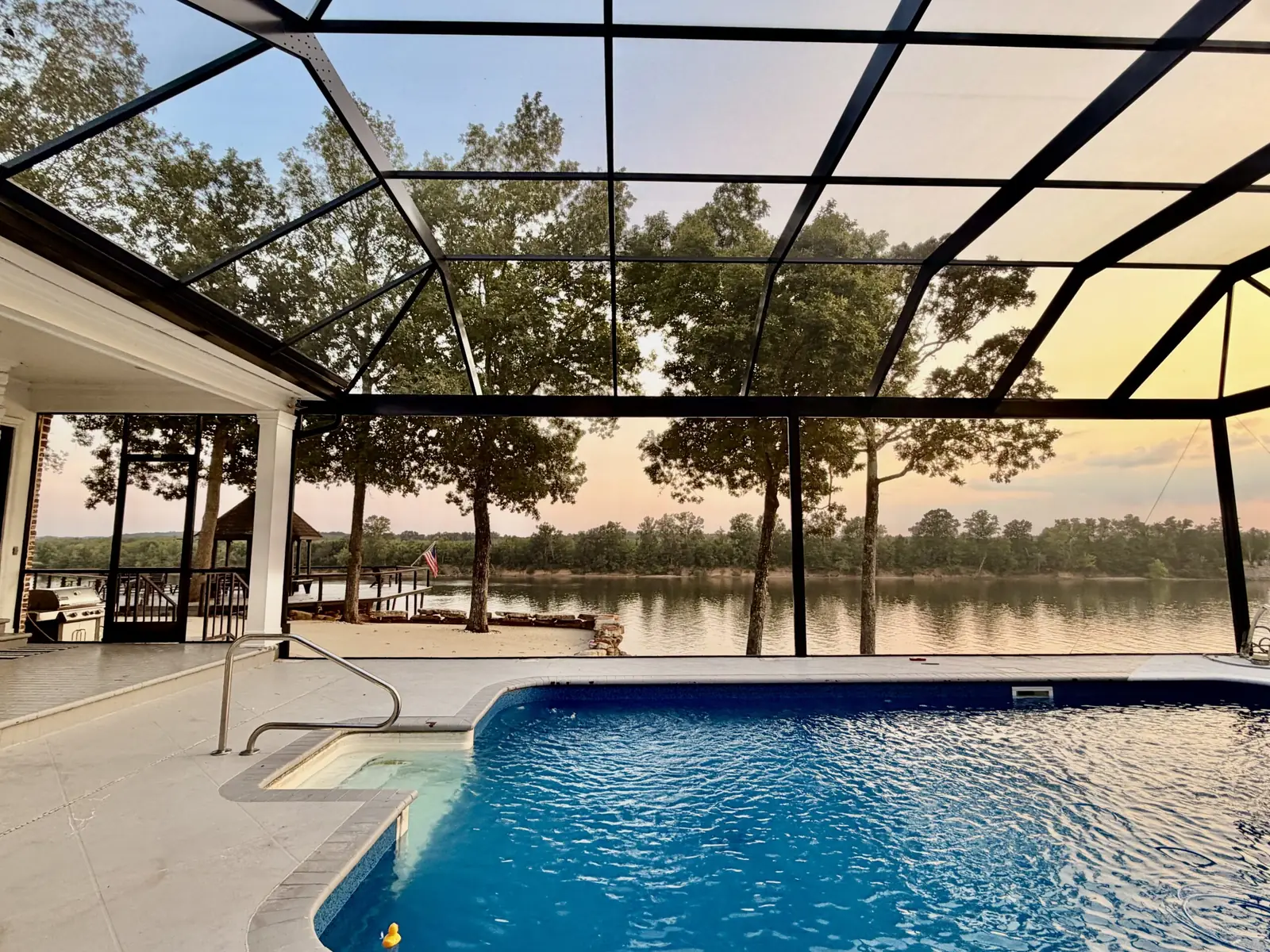
Best Glass Pool Enclosures United States Natatorium Structural Engineering
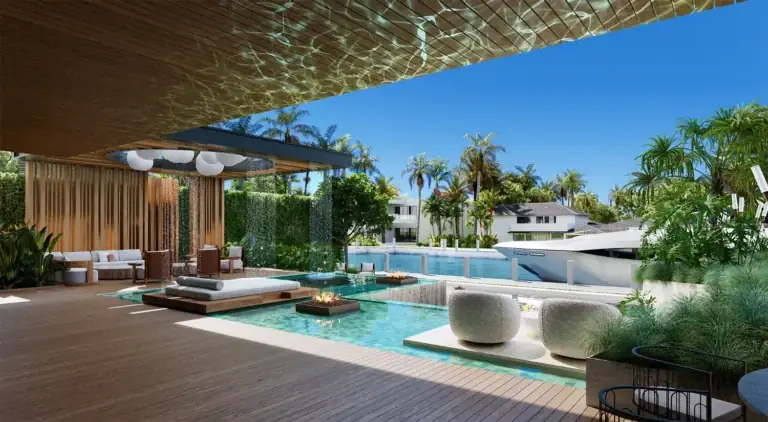
Constructing residential and commercial natatorium structures across the diverse American climate requires blending advanced chemical-resistant materials science with precise structural engineering. Architects and luxury estate developers commissioning projects to find the best glass pool enclosures united states must navigate complex municipal building codes, intense indoor chlorine vapor dynamics, and rigorous wind load mandates. Developing these transparent aquatic additions involves coordinating massive laminated impact glass panels, structural marine-grade aluminum framing, and automated dehumidification HVAC networks.
Establishing a premier structural blueprint demands evaluating pool water evaporation rates, thermal insulation values, and moisture control systems before any manufacturing begins. Relying on standard residential greenhouse specifications for a multi-ton indoor swimming pool enclosure invites structural corrosion and immediate building code rejection. Proactive engineering oversight ensures that load-bearing profiles distribute weight evenly while preserving complete visual minimalism across the pool deck.
Executing a successful natatorium transparency project utilizes precision laser alignment, marine-grade stainless steel hardware, and automated climate management systems. Comprehensive planning transforms challenging geographic terrain into a reliable, long-term asset that enhances property valuation across decades.
This analytical guide examines swimming pool enclosure categories, structural engineering frameworks, financial budgeting strategies, and long-term maintenance protocols for American properties. Mastering these technical principles enables architects and property owners to achieve uncompromising structural excellence.
Understanding “Best Glass Pool Enclosures United States” Structural Criteria
Chemical Vapor Dynamics and Dehumidification Engineering
Executing evaluations regarding the best glass pool enclosures united states market requires analyzing how indoor swimming pools release massive moisture volumes that corrode untreated metal framing. High-end natatorium structures generate continuous chlorine-laden vapor that condenses on cold joints if mechanical engineers fail to specify commercial dehumidification systems. Implementing automated vapor extraction prevents structural decay.
Material Selection and Corrosion Resistance
Assessing how custom alloy finishes harmonize with chlorinated pool environments explains why off-the-shelf catalog structures fail professional design reviews. Luxury pool enclosure projects demand fluoropolymer coatings matching specific color palettes, structural silicone glazing joints, and marine-grade fasteners. Specifying premium materials guarantees visual continuity and superior corrosion resistance.
Deep Contextual Background
Historical Evolution of American Natatorium Architecture
For decades, early American indoor swimming pools were built using heavy masonry walls and small steel-framed windows that suffered from rapid rust degradation. Early builders relied on trial and error, resulting in frequent structural failures from severe humidity exposure. Modern manufacturing innovations introduced thermally broken aluminum and laminated safety glass that revolutionized American aquatic architecture.
Transition from Improvised Greenhouses to Engineered Natatoriums
Engineering advancements propelled the transition from rudimentary site-built pool covers to fully engineered, modular glass pool enclosure systems distributed nationwide. Modern manufacturing protocols integrate computer-aided stress testing to verify component performance under extreme chemical and environmental loads. Adopting certified systems ensures maximum safety and regulatory compliance.
Conceptual Frameworks and Mental Models
The Hydro-Thermal Vapor Equilibrium Model
Analyzing how warm pool water evaporates into cold enclosure air helps identify critical moisture traps in natatorium design. When unmanaged vapor rises against cold roof glass, heavy condensation pools form and drip onto deck surfaces. Tracing complete vapor movement paths from water surface to exhaust vents eliminates hidden structural vulnerabilities.
The Thermal Expansion and Stress Equilibrium Framework
Evaluating how glass and aluminum expand at different rates under fluctuating indoor pool temperatures highlights the need for precision joint engineering. Overlooking thermal movement factors accelerates seal failure and glass cracking. Designing for cumulative stress preserves structural integrity across decades of operation.
Key Categories of Swimming Pool Enclosure Systems
Motorized Telescopic Swimming Pool Enclosure Structures
Constructing motorized telescopic glass structures allows entire pool roof and wall sections to nest smoothly over adjacent bays at the push of a button. Telescopic systems provide complete weather flexibility, transforming enclosed swimming pools into open-air resort spaces within minutes. These complex systems demand heavy structural tracks and precision motors.
Freestanding Custom-Engineered Structural Glass Natatoriums
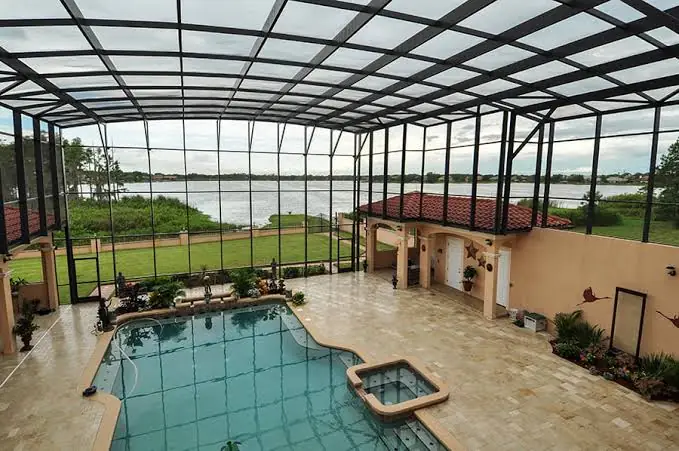
Erecting permanent glass natatoriums creates climate-controlled architectural monuments featuring structural steel frames and heavy laminated safety glass. Glass natatoriums deliver maximum natural light transmission and complete weather isolation year-round. Such installations require significant capital investment and professional engineering.
Retractable Low-Profile Aquatic Enclosure Domes
Installing low-profile glass and polycarbonate domes offers sleek, curved aesthetic profiles that blend into landscaped backyards while trapping solar heat efficiently. Low-profile systems minimize wind resistance and preserve unobstructed views across sprawling grounds. Panels provide high impact resistance and thermal insulation.
Integrated Pool House and Enclosure Hybrid Buildings
Building hybrid pool house structures combines fully enclosed entertaining lounges and natatoriums under a unified architectural roofline. Hybrid buildings feature commercial-grade structural framing, changing rooms, and integrated bar facilities. These expansive structures serve as central social hubs.
Custom Minimalist Aluminum and Laminated Safety Glass Pool Walls
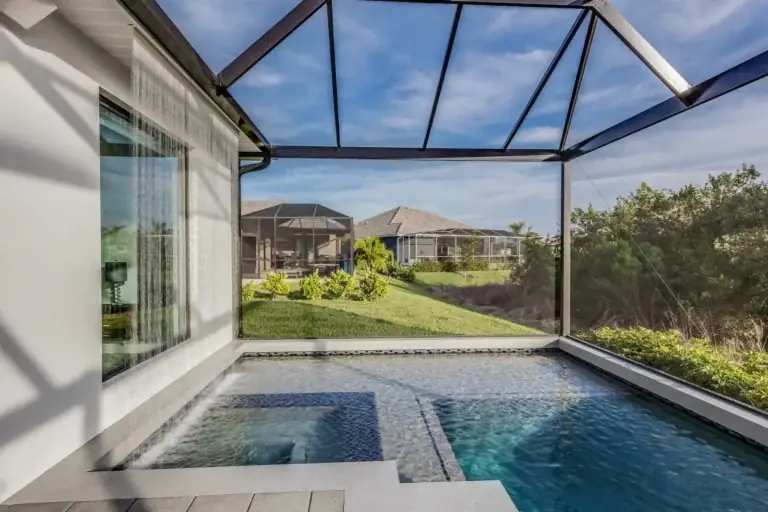
Erecting custom minimalist glass walls utilizes floor-to-ceiling sliding glass panels with recessed tracks that disappear into finished stone pool decks. Minimalist systems eliminate visual clutter, creating an uninterrupted boundary between interior pool water and exterior landscaping. Precision engineering ensures effortless manual operation.
Automated Operable Roof Skylight Aquatic Pavilions
Installing massive operable roof skylights across open-air pool pavilions enables vertical ventilation and dynamic sun exposure control. Heavy electric chain actuators drive massive glass panels upward on concealed tracks. Operable roof systems require sophisticated rain and wind sensor integration.
Comparative National Pool Enclosure System Analysis
Evaluating national swimming pool enclosure categories highlights critical trade-offs in mechanical complexity, climate adaptability, and capital investment requirements.
| Enclosure System Category | Mechanical Complexity | Climate Adaptability | Architectural Customization | Capital Outlay |
| Motorized Telescopic Pool Glass | Exceptional | Exceptional | High | Exceptional |
| Structural Glass Natatorium | Moderate | Exceptional | High | High to Exceptional |
| Retractable Low-Profile Dome | Moderate | High | Moderate | High |
| Integrated Hybrid Pool Building | High | Exceptional | Exceptional | Exceptional |
| Minimalist Sliding Pool Walls | High | High | High | High |
Systematic Selection Logic for American Property Owners
Selecting the optimal swimming pool enclosure system requires following a logical decision sequence based on regional climate and design goals:
-
Evaluate Regional Microclimate and Weather Extremes:
-
Specify heavy structural glass natatoriums or hybrid pool buildings for harsh northern winter snow zones.
-
Select motorized telescopic pool structures for coastal or temperate southern estates requiring flexible outdoor transition.
-
-
Determine Architectural Integration Preferences:
-
Choose custom minimalist sliding glass pool walls to match modern contemporary estate aesthetics.
-
Opt for traditional glass natatorium designs for classical architectural styles.
-
Detailed Real-World Scenarios Best Glass Pool Enclosures United States
Scenario A: Colorado Mountain Snow Load Estate Pool Glazing Installation
An estate owner in the Colorado mountains commissions a luxury glass pool enclosure designed to withstand heavy alpine snow loads and sub-zero temperatures. Selecting standard residential screen systems fails immediately under structural weight and indoor humidity. The architectural team specifies a custom structural steel and laminated glass natatorium featuring integrated snow-melt heating coils.
Scenario B: Miami Coastal Salt-Air Motorized Pool Enclosure
A Miami waterfront property features a motorized telescopic glass pool enclosure exposed to severe ocean salt fog and chlorine vapor. Ordinary aluminum tracks corrode and seize within months. The engineering firm upgrades all mechanical components to marine-grade 316 stainless steel and applies thick protective coatings, ensuring flawless operation.
Scenario C: San Francisco Modernist Zero-Sightline Retractable Pool Pavilion
A San Francisco modernist estate requires an ultra-low-profile retractable glass pool pavilion that preserves unobstructed bay views. The design utilizes concealed floor tracks and minimal vertical framing members. Automated wind sensors retract the glass panels automatically during sudden wind events, protecting the structure from dynamic uplift damage.
Financial Dynamics, Cost, and Resource Planning
Budgeting for swimming pool enclosure acquisition requires balancing bespoke fabrication outlays against long-term estate value appreciation.
| Budget Allocation Category | Share Percentage | Primary Cost Drivers | Cost Control Strategy |
| Custom Structural Engineering & Permits | 15% – 20% | FEA Modeling, Architectural Stamps | Partner with specialized engineering firms. |
| Bespoke Framing Alloys & Steel | 25% – 30% | Thermal-Break Aluminum, Structural Steel | Optimize framing spans to minimize custom heavy steel requirements. |
| Specialized Laminated Glass Glazing | 25% – 30% | Low-E Coating, Impact-Resistant Glass | Source factory-certified commercial-grade glass panels. |
| Motorized Actuators & Dehumidification | 20% – 30% | Hydraulic Motors, Commercial Dehumidifiers | Integrate automation controls with existing smart systems. |
Direct Bespoke Fabrication Outlays Versus Long-Term Estate Value
Investing in premium glass pool enclosures elevates overall property market valuation and provides unmatched lifestyle utility. Selecting substandard materials or unengineered structures devalues properties and triggers costly emergency repairs. Allocating adequate capital upfront for bespoke engineering guarantees architectural distinction and long-term durability.
Twenty-Year Capital Reserve and Specialized Maintenance Allocation
Calculating twenty-year ownership expenses involves combining initial fabrication costs, specialized track lubrication, and future dehumidifier overhaul reserves. Proactive financial planning prevents unexpected maintenance bills from disrupting property management budgets. Establishing a dedicated service fund guarantees resources for routine mechanical and seal maintenance.
Tools, Strategies, and Support Systems
Deploying specialized engineering software, laser alignment gear, and smart automation controllers ensures flawless execution.
Finite Element Thermal and Wind Simulation Software
Deploying advanced finite element analysis software allows engineers to simulate thermal bridging, condensation risks, and wind stress across complex glass pool geometries accurately. Computer modeling identifies weak structural points before physical fabrication begins. Using digital simulation software optimizes material allocation and ensures safety.
Laser-Guided Track Alignment and Surveying Gear
Using high-accuracy laser levels and optical transit instruments during site layout ensures exact track parallelism and levelness. Precise track alignment prevents binding and motor overload across massive motorized glass pool sections. Accurate surveying eliminates costly installation rework.
Automated Building Management and Climate Control Integration
Employing centralized programmable logic controllers integrates enclosure pool roof motors, dehumidification units, and HVAC systems into automation networks. Automated sensors monitor indoor air quality and weather conditions in real time, adjusting glass panels autonomously. Using smart control systems maximizes interior comfort and equipment lifespan.
Risk Landscape and Failure Modes
Identifying structural and mechanical risk factors allows property owners to avoid catastrophic system failures and costly maintenance emergencies.
Mechanical Actuator Seizure in High-Humidity Environments
Exposing electric motors and hydraulic actuators to unmanaged indoor pool humidity causes electrical short circuits and mechanical seizure. Corrosive chlorine vapors accelerate component degradation if enclosures lack proper exhaust ventilation. Installing sealed, marine-grade actuators prevents mechanical failure.
Structural Thermal Bridging and Condensation Failure
Failing to install thermal breaks in metal framing profiles allows exterior cold air to conduct inward, creating severe indoor pool condensation pools. Condensed water damages interior millwork, flooring, and structural finishes. Specifying polyamide thermal break framing eliminates thermal bridging entirely.
Long-Term Governance, Maintenance, and Adaptation
Following structured maintenance protocols preserves mechanical performance and keeps systems operating smoothly through changing seasons.
Specialized Quarterly Glazing and Track Servicing Protocols
Servicing motorized tracks, roller bearings, and hydraulic actuators quarterly prevents mechanical wear and ensures silent operation. Cleaning laminated glass panels and silicone gaskets preserves optical clarity and weather sealing. Lubricating moving metal parts with approved marine-grade grease stops friction damage.
Preventive Maintenance and Estate Audit Checklist
Executing regular technical inspections keeps glass pool enclosure frames, motors, and climate systems working safely:
-
Spring Mechanical and Motor Audit:
-
Inspecting hydraulic actuators, drive chains, and electronic safety sensors for wear or misalignment.
-
Testing emergency manual override mechanisms on all motorized glass pool panels.
-
-
Summer Glazing and Seal Inspection:
-
Examining structural silicone glazing joints and rubber weatherstripping for UV cracking or water leaks.
-
Verifying condensate drainage channels remain completely free of obstruction.
-
-
Autumn HVAC and Climate Control Review:
-
Servicing commercial climate control units and checking indoor air circulation fan performance.
-
Flushing base drainage tracks to remove autumn leaves and organic debris.
-
Measurement, Tracking, and Evaluation Metrics
Tracking engineering compliance, mechanical reliability, and maintenance intervals provides objective data regarding enclosure performance.
Leading and Lagging Performance Indicators
Leading indicators track scheduled mechanical servicing dates, filter replacement logs, and sensor calibration records. Maintaining structured maintenance logs ensures tasks are completed before equipment fatigue occurs. Tracking manufacturer warranties prevents unsupported component usage.
Lagging indicators evaluate post-installation repair expenditures, mechanical uptime percentages, and energy efficiency ratings over time. Monitoring total annual operating costs confirms whether selected enclosure systems delivered long-term value. Measuring framing alignment confirms structural stability success.
Technical Enclosure Audit Guidelines
Executing technical quality checks during and after installation ensures structural resilience and long-term operating safety:
-
Track Parallelism Verification: Checking that motorized floor and roof tracks maintain exact parallel alignment.
-
Actuator Torque Inspection: Verifying all drive motors meet manufacturer load and speed specifications.
-
Thermal Seal Integrity Check: Ensuring structural silicone joints and thermal break gaskets maintain required weather seals.
-
Climate Output Audit: Confirming indoor environmental parameters remain within the optimal target range.
Common Misconceptions and Architectural Myths Best Glass Pool Enclosures United States
Correcting widespread industry myths helps property owners make informed decisions based on advanced architectural engineering facts.
Myth 1: Motorized Glass Pool Enclosures Require Zero Manual Oversight
Correction: While automated sensors manage routine ventilation, complex mechanical systems require scheduled professional servicing, track cleaning, and seal inspections. Ignoring routine maintenance leads to actuator strain and premature mechanical failure. Professional oversight remains essential.
Myth 2: Heavy Structural Glass Eliminates the Need for HVAC Systems
Correction: Fully enclosed glass pool structures trap solar heat and moisture rapidly, creating an unlivable greenhouse environment without dedicated commercial dehumidification. Enclosures require specialized HVAC systems to maintain comfortable interior conditions. Structural glass alone cannot regulate indoor climate.
Environmental, Contextual, and Regional Considerations
Designing and building glass pool enclosures requires accounting for local municipal zoning boards and extreme microclimate engineering.
Local Municipal Zoning and Architectural Review Board Approvals
Constructing high-end estate pool enclosures requires obtaining strict municipal building permits and architectural review board approvals. Luxury projects often face rigorous height restrictions, setback mandates, and aesthetic compatibility guidelines. Securing thorough regulatory approval protects property investments and prevents costly legal disputes.
Extreme Microclimate Engineering and Seismic Compliance
Regional engineering requirements dictate minimum structural framing thickness, seismic bracing, and wind load ratings. Coastal hurricane zones mandate impact-rated laminated glass, while earthquake-prone western states require flexible seismic slip joints. Designing enclosures to local environmental standards prevents structural failure.
Strategic Architectural Conclusion
Developing high-end glass pool enclosure projects successfully requires merging uncompromising structural engineering, bespoke material selection, and sophisticated climate control automation. Property owners and architects must evaluate regional microclimates, mechanical complexities, and architectural integration to achieve lasting structural excellence. Specifying motorized telescopic glass, marine-grade stainless steel hardware, and thermal-break framing guarantees long-term durability.
Achieving premier architectural distinction depends on prioritizing professional engineering oversight and rigorous maintenance scheduling over shortcuts. Systematic planning transforms complex glass pool enclosure acquisition into a reliable asset that enhances property value and lifestyle utility across decades of continuous operation.