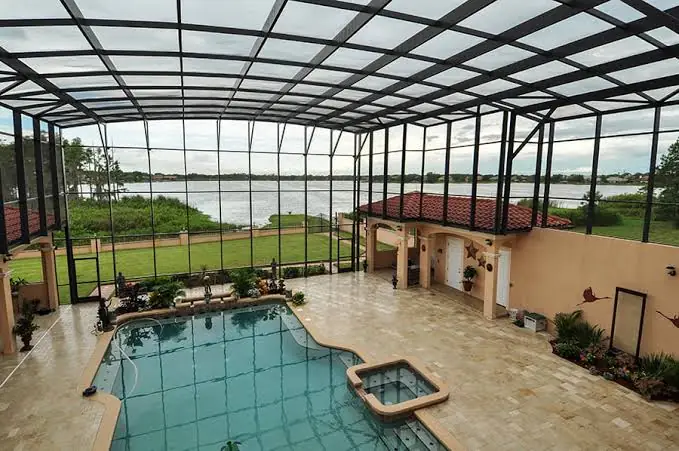
Best Pool Enclosures In The US Architectural Selection Guide
Evaluating residential swimming pool structures across the United States requires examining diverse regional climates, strict municipal building codes, and advanced engineering standards. Homeowners researching the best pool enclosures in the us must navigate complex choices spanning retractable polycarbonate domes, high-clearance telescopic systems, and hurricane-rated aluminum screen structures. Environmental extremes ranging from coastal salt spray to heavy northern snow loads demand specialized material specifications and robust structural design.
Establishing a definitive selection framework involves analyzing metal alloy durability, glazing impact resistance, and mechanical track performance under heavy seasonal stress. Relying on generic national averages without accounting for local wind zones or thermal expansion variations invites premature component failure and costly remediation. Proactive engineering oversight ensures that selected structures distribute environmental loads evenly while preserving optical clarity and aesthetic value.
Executing successful pool enclosure selection utilizes precise climate mapping, compatible fastener integration, and certified wind-load engineering. Comprehensive architectural evaluation transforms national market options into a reliable, long-term asset that protects property investments across decades of continuous operation.
This analytical guide examines regional enclosure categories, material trade-offs, engineering standards, and financial budgeting strategies for American properties. Mastering these technical principles enables property owners and builders to identify optimal structural solutions tailored to specific geographic microclimates.
Understanding “Best Pool Enclosures In The US” Regional Engineering Criteria
Structural Wind Load Tolerances Across Varied American Climates
Executing evaluations regarding the best pool enclosures in the us requires analyzing how regional wind speed maps dictate minimum framing thickness and anchor depth. Structures designed for calm inland regions fail instantly when installed in coastal hurricane zones due to insufficient uplift resistance. Implementing rigorous wind load calculations ensures structural stability during severe weather events.
Material Longevity and Chemical Resistance Standards
Assessing how different manufacturing finishes interact with local environmental chemistries explains why regional material selection determines long-term success. Chlorine vapors in indoor natatoriums attack unsealed metal joints, while intense UV solar radiation embrittles vulnerable plastic glazing gaskets across southern states. Specifying marine-grade alloys and UV-stabilized panels prevents premature material degradation.
Deep Contextual Background
Historical Evolution of American Swimming Pool Enclosures
For decades, early American pool enclosures were simple regional screen porches built by local contractors using uncertified wood and raw aluminum framing. Early structures lacked standardized engineering safety guidelines, resulting in frequent structural failures during severe winter storms or tropical systems. Modern manufacturing established national engineering standards that mandate certified wind and snow load ratings.
Transition from Regional Screen Porches to Engineered National Systems
Engineering advancements propelled the transition from rudimentary site-built structures to fully engineered, modular enclosure systems distributed nationwide. Modern manufacturing protocols integrate computer-aided stress testing to verify component performance under extreme environmental conditions. Adopting certified national systems ensures long-term safety and regulatory compliance for residential property owners.
Conceptual Frameworks and Mental Models
The Regional Climate Performance Model
Analyzing how specific weather variables impact structural performance helps identify which enclosure categories suit different geographic zones. Heavy winter snow loads require steep roof pitches and reinforced internal trusses, whereas tropical coastal zones demand heavy-duty aluminum extrusions and stainless hardware. Aligning enclosure design with regional climate realities eliminates structural mismatch risks.
The Total Cost of Ownership and Durability Framework
Evaluating long-term financial commitments helps property owners assess the true economy of premium enclosure investments. Initial purchase savings mean little if regional weather extremes cause frequent structural repairs or total replacement within a decade. Selecting weather-tested, high-durability systems optimizes overall ownership expenses.
Key Categories of Enclosure Systems Available Nationwide
Low-Profile Retractable Polycarbonate Enclosures
Constructing low-profile retractable polycarbonate enclosures provides seamless seasonal transition by sliding nesting track segments over the pool basin. Low profiles minimize wind resistance in open plains and maintain backyard sightlines effectively. Polycarbonate panels trap solar heat, extending swimming seasons in northern states significantly.
High-Clearance Telescopic Enclosure Systems
Erecting high-clearance telescopic enclosure structures allows users to swim comfortably underneath fully enclosed roofs during inclement weather. Telescopic mechanics enable manual or motorized nesting of modular bays, offering flexible indoor-outdoor operation. High-clearance models require robust floor tracks and precise alignment.
Gable-Roof Architectural Screen Enclosures
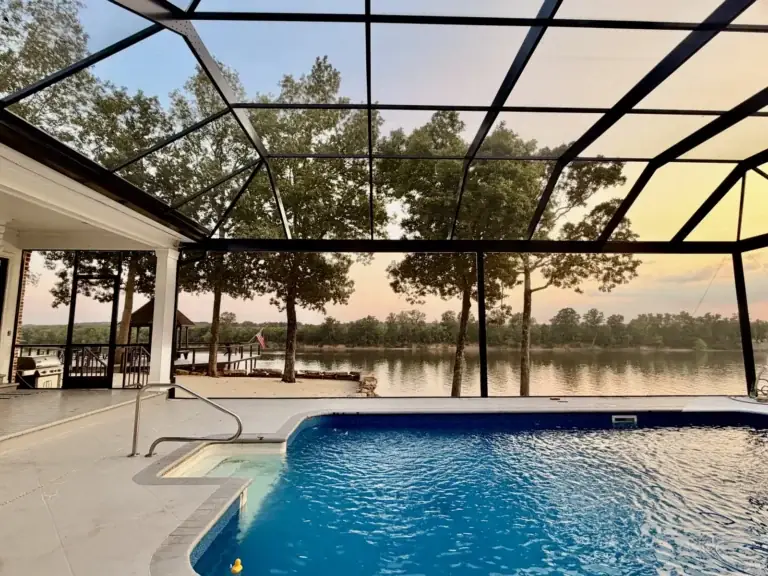
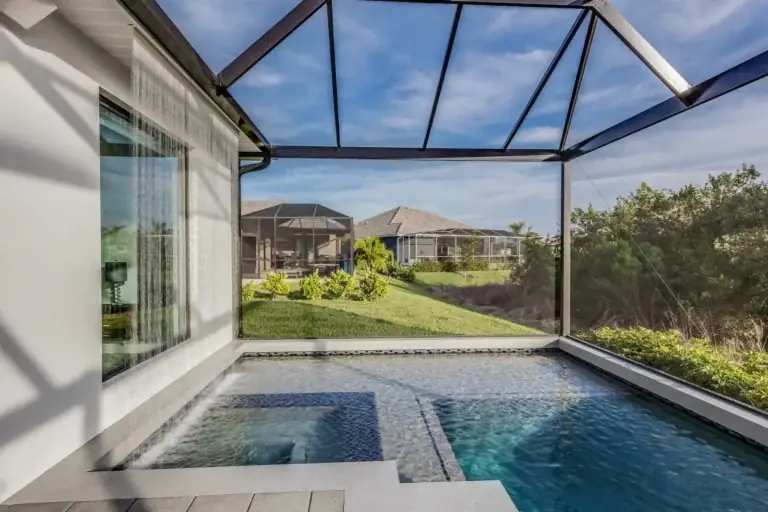
Installing gable-roof screen enclosures utilizes fine fiberglass or polyester mesh walls stretched over extruded aluminum framing to block insects and debris. Gable roofs shed rainfall efficiently and provide high interior clearance without demanding complex curved trusses. Screen enclosures represent the dominant architectural choice across warm southern regions.
Heavy-Duty Hurricane-Rated Aluminum Structures
Erecting hurricane-rated aluminum structures involves heavy structural posts, reinforced roof beams, and specialized stainless steel anchoring systems. These systems endure high-velocity tropical storm winds without sustaining structural deformation. Heavy-duty engineering satisfies rigorous coastal building codes successfully.
Freestanding Glass Solarium Pool Buildings
Building freestanding glass solariums creates permanent, climate-controlled indoor natatoriums featuring laminated safety glass and integrated HVAC systems. Glass structures deliver maximum natural light transmission and complete weather isolation year-round. Solarium installations demand significant capital investment and professional engineering.
Modular DIY Snap-Together Enclosure Kits
Purchasing pre-packaged modular snap-together kits provides an economical option for property owners seeking manageable installation scopes. Factory-cut aluminum profiles and panel components simplify assembly for experienced do-it-yourself builders. Modular kits offer reliable debris protection at predictable price points.
Comparative National Enclosure System Analysis
Evaluating national enclosure categories highlights critical trade-offs in structural resilience, climate suitability, and capital investment requirements.
| Enclosure System Category | Climate Suitability | Wind Resistance | Snow Load Capacity | Capital Investment |
| Low-Profile Retractable Polycarbonate | Nationwide | High | Moderate to High | High |
| High-Clearance Telescopic | Nationwide | High | High | High to Exceptional |
| Gable-Roof Screen Structure | Warm Regions | Moderate | Low | Moderate |
| Hurricane-Rated Aluminum | Coastal Zones | Exceptional | Low to Moderate | High |
| Freestanding Glass Solarium | Cold / Variable | Exceptional | Exceptional | Exceptional |
Systematic Selection Logic for American Property Owners
Selecting the optimal enclosure system requires following a logical decision sequence based on geographic location and lifestyle goals:
-
Evaluate Regional Meteorological Hazards:
-
Specify hurricane-rated aluminum structures or reinforced polycarbonate domes for coastal and storm-prone southern zones.
-
Select high-pitch snow-load-rated telescopic polycarbonate systems for northern tier states.
-
-
Determine Operational Use Preferences:
-
Choose retractable polycarbonate enclosures for year-round temperature control and swim season extension.
-
Opt for traditional gable screen enclosures if primary goals are insect control and debris management in warm climates.
-
Detailed Real-World Scenarios Best Pool Enclosures In The US
Scenario A: Florida Coastal Hurricane Zone High-Wind Installation
A coastal Florida property owner seeks a durable enclosure to withstand tropical storms and ocean salt spray without structural failure. Selecting a standard screen enclosure fails wind engineering requirements. The owner invests in a heavy-duty hurricane-rated aluminum structure featuring 316 stainless hardware and thick anodized coatings, passing local building inspection safely.
Scenario B: Midwest Winter Snow Load Management Enclosure
A residential property in Minnesota experiences heavy winter snowfalls and freezing temperatures that collapse traditional patio covers. The homeowner installs a reinforced high-clearance telescopic polycarbonate enclosure with steep roof angles. The steep pitch sheds heavy snow accumulation automatically, protecting the structural framing throughout winter.
Scenario C: Desert Southwest Solar Radiation and Thermal Expansion
A desert Arizona homeowner installs a polycarbonate enclosure that faces extreme summer heat and intense solar radiation. Neglecting thermal expansion gaps causes the plastic glazing panels to buckle against aluminum channels. Rebuilding the installation with proper thermal movement clearances resolves panel distortion and thermal stress.
Financial Dynamics, Cost, and Resource Planning
Budgeting for national enclosure acquisition requires balancing upfront capital investments against regional maintenance savings.
| Budget Allocation Category | Share Percentage | Primary Cost Drivers | Cost Control Strategy |
| Structural Engineering & Permits | 15% – 20% | PE Stamps, Regional Wind Studies | Utilize manufacturer-certified engineering packages. |
| Framing Alloys & Extrusions | 35% – 40% | Aluminum Profiles, Tracks | Select pre-engineered modular kits matching site needs. |
| Glazing & Screening Materials | 20% – 25% | Polycarbonate, Fiberglass Mesh | Choose durable standard-grade glazing thicknesses. |
| Foundation & Anchoring Hardware | 15% – 20% | Concrete Footers, Steel Anchors | Optimize footer depth based on local soil reports. |
Initial Capital Outlays Versus Long-Term Operating Savings
Investing in premium regional enclosure systems prevents premature weather damage and eliminates recurring repair expenses. Selecting cheap structures unsuited for local climate extremes leads to rapid failure and costly emergency replacements. Allocating adequate capital upfront for climate-appropriate engineering ensures long-term asset value.
Twenty-Year Regional Maintenance and Reserve Allocation
Calculating twenty-year ownership expenses involves combining initial purchase prices, regional washing supplies, and future component replacement reserves. Proactive financial planning prevents unexpected weather repair bills from disrupting household budgets. Establishing a dedicated maintenance fund guarantees resources for routine hardware and seal refreshes.
Tools, Strategies, and Support Systems
Deploying specialized engineering software, leveling instruments, and fastening equipment ensures precise national installation execution.
Finite Element Wind Analysis Software
Deploying advanced finite element analysis software allows engineers to simulate wind stress and snow loads across complex enclosure geometries accurately. Computer modeling identifies high-stress corner joints and roof intersections before physical construction begins. Using digital simulation software optimizes material allocation and ensures structural safety.
Laser Leveling and Site Survey Instruments
Using high-accuracy laser levels and transit instruments during site layout ensures exact vertical and horizontal framing alignment. Precise measurements prevent racking errors that distort aluminum channels and compromise structural load distribution. Accurate surveying eliminates costly construction rework caused by geometric misalignment.
Torque-Calibrated Fastening Equipment
Employing pneumatic rivet guns and torque-calibrated socket wrenches ensures consistent fastener tension across every structural joint. Specialized fastening tools prevent over-tightening that strips aluminum threads and under-tightening that causes joint looseness. Using proper equipment guarantees maximum structural holding power.
Risk Landscape and Failure Modes Best Pool Enclosures In The US
Identifying structural design risk factors allows property owners to avoid catastrophic collapses and building code violations.
Foundation Uplift Failures in Coastal Zones
Failing to anchor enclosure base plates securely into deep concrete footers allows hurricane wind uplift forces to pull structures apart. Weakened anchors cause framing separation and total structural collapse during severe storms. Installing engineered concrete footers and heavy anchor bolts prevents uplift failure.
Polycarbonate Yellowing and Thermal Warping
Exposing low-grade plastic glazing panels to intense UV radiation without proper protective coatings causes rapid yellowing and thermal warping. Degraded panels lose impact resistance and optical clarity, requiring premature replacement. Selecting factory UV-stabilized multi-wall polycarbonate glazing prevents degradation.
Long-Term Governance, Maintenance, and Adaptation
Following structured inspection protocols preserves structural stability and keeps engineering systems operating safely through changing seasons.
Structured Annual Inspection Protocols
Inspecting aluminum framing joints and anchor bolts annually identifies wear before structural damage escalates. Checking concrete anchor bolts for tightness ensures wind resistance remains uncompromised. Flushing aluminum channels with fresh water removes corrosive chemical and salt residue.
Preventive Maintenance and Structural Audit Checklist
Executing regular technical inspections keeps enclosure frames, hardware, and foundations working safely:
-
Spring Foundation and Anchor Audit:
-
Inspecting concrete anchor bolts and base plates for corrosion or loosening after winter weather.
-
Checking vertical post plumbness using a spirit level.
-
-
Summer Glazing and Track Inspection:
-
Examining polycarbonate expansion joints and telescopic track rollers for smooth operation.
-
Re-securing loose screen spline cords using a standard roller tool.
-
-
Autumn Drainage and Gutter Clearing:
-
Clearing leaves and organic debris from base drainage channels to prevent standing water accumulation.
-
Flushing aluminum framing with a low-pressure garden hose to remove airborne pollutants.
-
Measurement, Tracking, and Evaluation Metrics
Tracking engineering compliance, material performance, and maintenance intervals provides objective data regarding enclosure selection success.
Leading and Lagging Performance Indicators
Leading indicators track engineering plan approvals, permit issuance timelines, and torque verification records during construction. Maintaining structured inspection logs ensures tasks are completed before structural fatigue occurs. Tracking material certifications prevents substandard component usage.
Lagging indicators evaluate post-construction repair expenditures, structural stability over time, and resistance to regional weather wear. Monitoring total annual repair costs confirms whether selected enclosure systems delivered long-term value. Measuring framing alignment confirms structural installation success.
Technical Enclosure Audit and Inspection Guidelines
Executing technical quality checks during and after construction ensures structural resilience and long-term operating safety:
-
Plumb and Square Verification: Checking that all vertical posts and roof beams maintain exact geometric alignment.
-
Anchor Torque Inspection: Verifying all base plate anchor bolts meet manufacturer torque specifications.
-
Expansion Gap Check: Ensuring polycarbonate glazing panels maintain required thermal movement clearances.
-
Track Smoothness Verification: Confirming telescopic enclosure sections slide effortlessly without binding.
Common Misconceptions and Architectural Myths Best Pool Enclosures In The US
Correcting widespread industry myths helps property owners make informed decisions based on structural engineering and building science facts.
Myth 1: Universal Enclosures Withstand Every Regional Climate
Correction: No single enclosure design handles both hurricane-force coastal winds and heavy northern snow loads equally. Structures must be engineered specifically for local meteorological conditions to prevent structural collapse. Regional building codes mandate specific design standards for a reason.
Myth 2: Untreated Aluminum Frames Resist Coastal Corrosion
Correction: While aluminum does not form red iron rust, unwashed salt spray and chlorine residue cause white oxidation pitting rapidly. Coastal installations require heavy anodized or fluoropolymer finishes and 316 stainless steel hardware to prevent corrosion. Routine freshwater rinsing remains essential.
Environmental, Contextual, and Regional Considerations
Designing and selecting pool enclosures requires accounting for local building codes, microclimate wind turbulence, and snow load zoning.
Local Building Code Compliance and Permitting Realities
Constructing a pool enclosure requires obtaining municipal building permits and engineering plan approvals before starting construction. Skipping permit applications leads to stop-work orders, heavy municipal fines, and forced demolition of non-compliant structures. Ensuring full code compliance protects property investments.
Microclimate Wind Turbulence and Snow Load Zoning
Regional wind load and snow load requirements dictate minimum aluminum framing thickness and foundation depth specifications. Mountainous snow zones mandate heavy-duty sloped roof trusses, while coastal hurricane zones require reinforced anchors. Designing enclosures to local climatic standards prevents structural failure and insurance claim denials.
Strategic Architectural Conclusion
Selecting the best pool enclosures in the us requires balancing regional meteorological demands, structural engineering standards, and long-term upkeep expenses. Property owners must evaluate local wind zones, snow loads, and environmental exposure to choose enclosure systems that maximize durability. Specifying marine-grade aluminum, 316 stainless steel hardware, and UV-stabilized polycarbonate glazing guarantees structural longevity.
Achieving long-term construction success depends on prioritizing professional engineering reviews and climate-appropriate material selection over generic shortcuts. Structured planning stabilizes operating budgets, protects load-bearing integrity, and preserves architectural aesthetics across decades of heavy use. Systematic evaluation transforms pool enclosure acquisition into a reliable asset that safeguards property investments against environmental degradation.