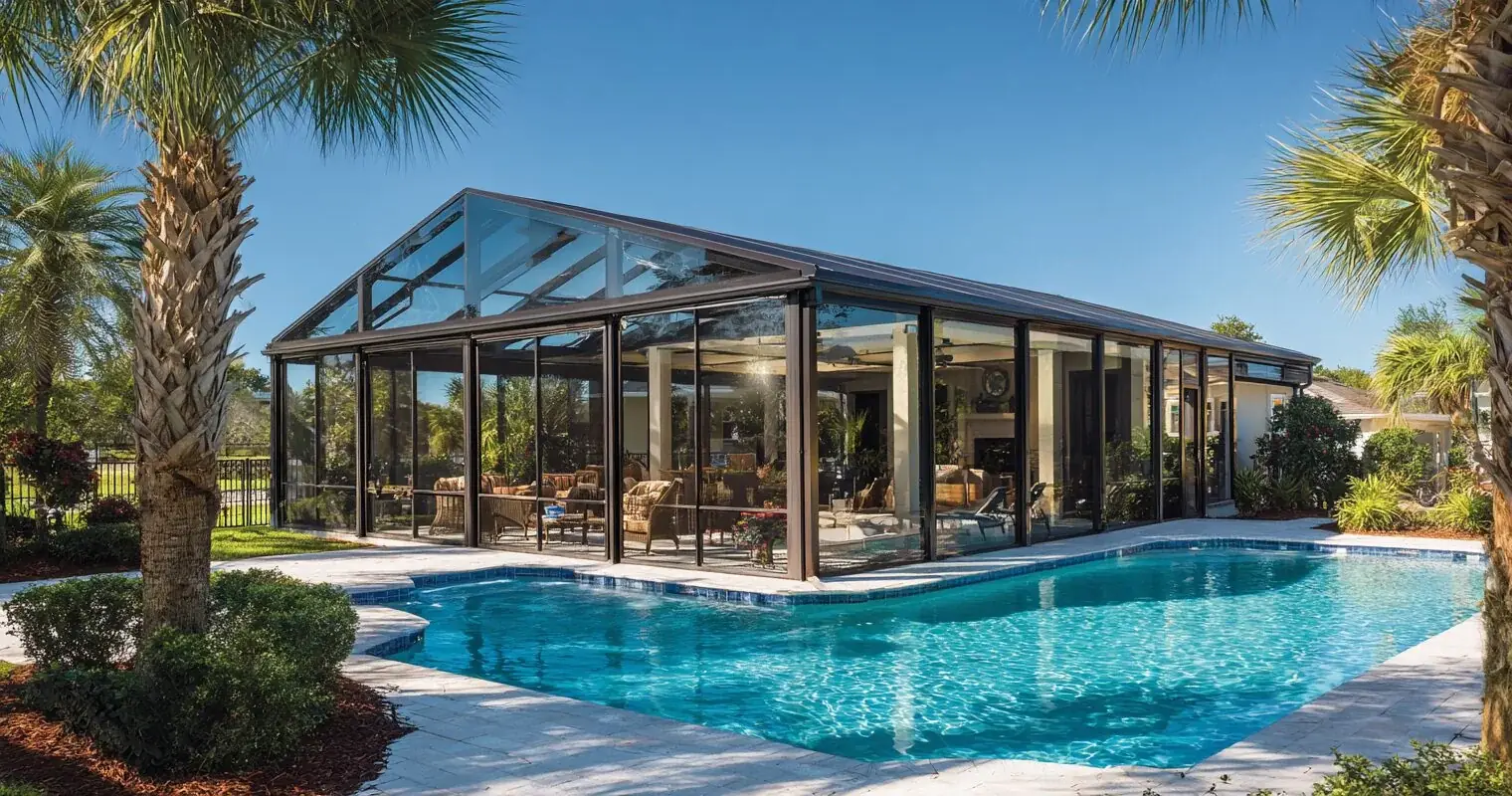
How To Reduce Pool Enclosure Maintenance Cost Strategies And Upkeep Guidelines
Managing residential swimming pool enclosures involves balancing structural upkeep, material preservation, and ongoing labor expenses over extended operating lifespans. Property owners frequently seek practical methods regarding how to reduce pool enclosure maintenance cost without compromising structural integrity or aesthetic appeal. Unchecked weathering, aggressive pool chemicals, and wind-blown debris accelerate material degradation, driving up repair bills significantly.
Developing an effective upkeep strategy requires analyzing metal corrosion cycles, glazing UV breakdown, and track wear patterns before problems escalate into major repairs. Ignoring minor seal failures or sliding track grit accumulation leads to premature component failure and expensive professional contractor interventions. Selecting inappropriate cleaning chemicals or abrasive scrubbing tools damages factory protective coatings, inviting rapid surface oxidation.
Implementing a successful preservation plan utilizes mild pH-balanced cleaners, marine-grade lubricants, passivated stainless steel fasteners, and scheduled inspection protocols. Incorporating routine preventive maintenance routines preserves aluminum framing and glazing clarity while minimizing unexpected service outlays. Comprehensive resource planning ensures that enclosure preservation efforts remain cost-effective and manageable across decades of ownership.
This analytical guide examines aluminum surface protection, fastener maintenance, glazing preservation, and financial budgeting strategies for residential pool enclosures. Mastering these technical principles enables property owners to optimize operational efficiency and lower long-term upkeep expenses across diverse microclimates.
Understanding “How To Reduce Pool Enclosure Maintenance Cost” Financial Dynamics
Direct Material Upkeep Versus Indirect Long-Term Labor Outlays
Executing strategies addressing how to reduce pool enclosure maintenance cost requires evaluating the balance between routine minor upkeep and major restorative labor. Minor tasks, such as clearing track debris and washing glazing panels, demand minimal financial outlay but prevent expensive structural damage. Conversely, neglecting basic upkeep forces property owners to hire professional restoration crews for major frame refinishing and panel replacement.
Environmental Exposure and Chemical Degradation Mechanics
Assessing how environmental elements interact with enclosure materials explains why proactive upkeep yields substantial financial savings over time. Chlorine vapors rising from pool water attack unsealed aluminum joints, while solar ultraviolet rays embrittle vulnerable plastic glazing gaskets. Applying protective sealant barriers stops chemical attack vectors, extending material lifespans and reducing repair frequencies.
Deep Contextual Background
The Evolution of Protective Enclosure Durability Standards
For decades, residential pool enclosures relied on raw aluminum frames and untreated glass that degraded rapidly under constant chemical exposure. Early structures required frequent painting and intensive scrubbing to combat mold, mildew, and galvanic corrosion spots. Modern manufacturing advancements introduced factory powder coatings and anodized finishes that resist chemical attack, dramatically lowering baseline upkeep requirements.
Transition from High-Maintenance Materials to Long-Life Alloys
Innovations in metallurgical engineering enabled the widespread adoption of marine-grade aluminum alloys and passivated stainless steel hardware in modern structures. Lightweight structural components support rigid glazing panels without requiring constant mechanical adjustment or structural realignment. Applying industrial protective treatments shields metal framing surfaces from aggressive chlorine vapors, eliminating frequent repainting cycles.
Conceptual Frameworks and Mental Models
The Preventive Maintenance Return on Investment Model
Analyzing how early financial investments in preventive upkeep yield high returns helps justify scheduled maintenance allocations. Spending modest sums on mild cleaning solutions and silicone lubricants prevents catastrophic structural failures that require expensive contractor labor. Regular minor interventions cost a fraction of total frame reconstruction expenses over a twenty-year span.
The Cumulative Wear and Tear Degradation Framework
Evaluating how minor mechanical neglect compounds over time highlights the importance of immediate minor repairs. Uncleaned track grit increases sliding friction, wearing down roller bearings and straining electric drive motors until complete failure occurs. Establishing rigid inspection intervals stops cumulative wear cycles before minor issues turn into expensive repair bills.
Key Categories of Enclosure Maintenance Reduction Strategies
Marine-Grade Anodized Aluminum Protective Coatings
Applying factory-certified anodized or heavy powder-coated finishes to structural aluminum extrusions prevents direct contact with moisture and chlorine. Anodized coatings create a hard aluminum oxide barrier that stops white rust formation and surface pitting. Maintaining this protective layer eliminates the need for expensive structural frame stripping and repainting.
UV-Resistant Polycarbonate Glazing Maintenance Protocols
Protecting multi-wall polycarbonate panels from ultraviolet solar radiation prevents yellowing, surface crazing, and structural embrittlement. Applying specialized UV-inhibiting clear sealants preserves optical light transmission and impact resistance across hot summer months. Proper glazing care avoids premature panel replacement expenses.
Stainless Steel Fastener Corrosion Mitigation Systems
Securing enclosure framing members using passivated 316 stainless steel bolts prevents galvanic corrosion in humid pool environments. Heavy steel hardware resists shear forces generated by wind gusts without staining adjacent aluminum channels. Using high-grade fasteners eliminates broken bolt extraction labor and structural loosening expenses.
Automated Dehumidification and Condensation Control
Deploying commercial dehumidification systems manages indoor relative humidity, stopping destructive moisture condensation on structural joints. Automated climate control prevents mold growth on framing surfaces and reduces chemical scrubbing labor requirements. Controlling indoor humidity preserves building materials and lowers long-term repair budgets.
Automated Telescopic Track Lubrication Programs
Applying dry silicone lubricants to telescopic floor tracks and roller wheels reduces mechanical friction during opening and closing cycles. Smooth sliding operation prevents excessive strain on manual operators and motorized drive actuators. Regular track care eliminates expensive motor burnout and roller replacement service calls.
Perimeter Drainage Clearance and Debris Management
Maintaining clear perimeter drainage channels prevents standing water accumulation and organic debris rotting against base plates. Regular flushing removes dirt, leaves, and fertilizer residue that corrode aluminum base channels. Keeping drainage paths open prevents water infiltration into foundation anchor points.
Comparative Enclosure Upkeep Strategy Analysis
Evaluating upkeep strategies highlights critical trade-offs in labor intensity, material cost, and long-term financial savings.
| Upkeep Strategy Category | Labor Intensity | Material Cost | Annual Savings Potential | Implementation Complexity |
| Quarterly Fresh Water Washing | Low | Low | Moderate | Low |
| Track Lubrication & Debris Removal | Low | Low | Moderate | Low |
| Fastener Torque Audits | Moderate | Low | High | Moderate |
| Professional Frame Refinishing | High | High | Exceptional | High |
Systematic Selection Logic for Long-Term Cost Savings
Selecting maintenance strategies requires following a logical decision sequence based on environmental severity and budget goals:
-
Evaluate Regional Environmental Corrosiveness:
-
Implement aggressive freshwater washing and anti-corrosion sealant protocols for coastal or high-chlorine indoor pools.
-
Utilize standard quarterly cleaning routines for sheltered inland outdoor enclosures.
-
-
Determine Mechanical Upkeep Schedules:
-
Schedule monthly track lubrication and roller inspections for high-use motorized telescopic enclosures.
-
Perform semi-annual hardware audits for fixed screen structures.
-
Detailed Real-World Scenarios How To Reduce Pool Enclosure Maintenance Cost
Scenario A: Coastal Salt-Spray Enclosure Preservation
A coastal Florida property owner faces rapid white rust formation and pitting on aluminum enclosure frames due to ocean salt spray. Ignoring the corrosion causes structural framing members to weaken prematurely, risking catastrophic failure during storms. The owner implements a monthly freshwater rinse protocol combined with anti-corrosion wax application, halting surface oxidation and saving thousands in replacement costs.
Scenario B: Heavy-Debris Woodland Enclosure Upkeep
A suburban home surrounded by tall deciduous trees experiences constant leaf accumulation in enclosure floor tracks and roof gutters. Rotting organic debris traps moisture against aluminum base plates, causing localized paint blistering and metal staining. The homeowner installs leaf guards and sets up a bi-weekly track flushing schedule, eliminating moisture retention and structural decay.
Scenario C: High-Chlorine Indoor Natatorium Maintenance
An indoor swimming pool enclosure suffers from severe condensation buildup, causing mold blooms and metal fastener corrosion. High humidity levels attack electrical components and degrade rubber gasketing rapidly. The facility manager installs a dedicated commercial dehumidifier and initiates quarterly fastener torque audits, reducing emergency repair expenses significantly.
Financial Dynamics, Cost, and Resource Planning
Budgeting for enclosure upkeep requires balancing direct cleaning supply purchases against long-term deferred repair savings.
| Budget Allocation Category | Share Percentage | Primary Cost Drivers | Cost Control Strategy |
| Routine Cleaning Supplies | 25% – 30% | pH-Cleaners, Silicone Lube | Purchase bulk commercial cleaning concentrates. |
| Hardware & Sealant Upgrades | 30% – 35% | Stainless Bolts, Rubber Gaskets | Replace failing hardware proactively during scheduled audits. |
| Professional Inspection Services | 15% – 20% | Structural PE Review | Conduct internal audits before hiring outside engineers. |
| Emergency Repair Reserve | 20% – 25% | Panel Replacement, Motor Repair | Maintain dedicated reserve funds for unexpected storm damage. |
Direct Upkeep Outlays Versus Deferred Replacement Expenses
Investing in routine cleaning supplies, gaskets, and lubricants preserves structural components and prevents premature system replacement. Delaying minor maintenance tasks leads to severe corrosion, cracked glazing panels, and total structural failure requiring expensive reconstruction. Allocating adequate capital upfront for preventive upkeep eliminates heavy financial burdens later.
Twenty-Year Budget Allocation and Reserve Planning
Calculating twenty-year ownership expenses involves combining routine maintenance supplies, occasional hardware replacements, and professional inspections. Proactive upkeep programs stabilize annual operating budgets by preventing sudden catastrophic repair expenses. Establishing a predictable reserve fund ensures adequate financial resources are available for long-term component refreshes.
Tools, Strategies, and Support Systems
Deploying specialized cleaning solutions, dry lubricants, and maintenance tools ensures upkeep efficiency.
pH-Balanced Aluminum Surface Cleaning Solutions
Deploying pH-neutral washing solutions removes airborne pollutants and chlorine residue without stripping factory powder coatings. Harsh alkaline or acidic cleaners etch aluminum surfaces, leaving them vulnerable to rapid oxidation and staining. Using approved cleaning formulations preserves metal finishes and reduces maintenance labor hours.
Dry Silicone Sliding Track Lubricant Formulas
Applying dry Teflon or silicone spray lubricants to sliding tracks prevents dust and dirt from adhering to moving parts. Wet oil-based lubricants attract airborne grit, creating a sticky paste that jams roller bearings and increases friction. Using dry lubricants ensures smooth mechanical operation without collecting environmental debris.
Automated Microfiber Water-Fed Cleaning Poles
Deploying extended water-fed carbon fiber poles with soft microfiber brushes allows safe cleaning of high roof panels from ground level. Water-fed systems filter minerals from rinse water, preventing hard water spot formation on glass and polycarbonate glazing. Using professional cleaning poles eliminates hazardous ladder work and reduces labor time.
Risk Landscape and Failure Modes
Identifying maintenance risk factors allows property owners to avoid destructive cleaning practices and material failures.
Acidic Cleaner Etching on Anodized Aluminum Frames
Using strong muriatic acid or harsh industrial degreasers to clean pool decks damages adjacent aluminum framing finishes permanently. Acid contact etches the metal surface, destroying the protective anodized layer and triggering rapid white rust corrosion. Utilizing mild pH-balanced detergents prevents chemical etching hazards.
Galvanic Corrosion from Dissimilar Fastener Metals
Securing aluminum framing channels with ordinary carbon steel screws causes accelerated galvanic corrosion in moist pool environments. The dissimilar metal contact creates an electrochemical reaction that dissolves aluminum threads and loosens structural joints. Using passivated 316 stainless steel fasteners eliminates galvanic corrosion risks entirely.
Long-Term Governance, Maintenance, and Adaptation
Following structured maintenance protocols preserves material finishes and keeps mechanical systems operating smoothly through changing seasons.
Structured Quarterly Upkeep Review Protocols
Rinsing aluminum frames and glazing panels quarterly removes accumulated chemical residue and airborne pollutants before damage occurs. Inspecting rubber gasketing for shrinking or cracking prevents water leaks during heavy rainstorms. Lubricating sliding track rollers ensures effortless mechanical operation.
Preventive Maintenance and Inspection Audit Checklist
Executing regular technical inspections keeps enclosure frames, glazing panels, and hardware working safely:
-
Monthly Track and Drainage Clearing:
-
Flushing floor tracks and debris channels thoroughly with clean water to remove grit and organic matter.
-
Inspecting roller wheels for smooth rotation and removing trapped debris.
-
-
Quarterly Surface Washing and Seal Check:
-
Washing glazing panels and aluminum framing with pH-neutral soap solutions and soft brushes.
-
Examining rubber gasketing and structural silicone joints for cracking or water leaks.
-
-
Semi-Annual Hardware and Fastener Audit:
-
Inspecting 316 stainless steel anchor bolts and framing fasteners, re-tightening loose hardware to specified torque values.
-
Testing motorized drive systems and safety limit switches for correct operation.
-
Measurement, Tracking, and Evaluation Metrics
Tracking cleaning frequencies, repair expenses, and material conditions provides objective data regarding maintenance program effectiveness.
Leading and Lagging Cost-Reduction Performance Indicators
Leading indicators track cleaning frequency adherence, lubricant application dates, and fastener torque verification records. Maintaining structured maintenance logs ensures tasks are completed before wear causes failure. Tracking supply inventory prevents shortages during peak upkeep seasons.
Lagging indicators evaluate annual repair expenditures, component replacement frequencies, and frame corrosion incidence rates over time. Monitoring total annual maintenance costs confirms whether preventive strategies successfully reduce outlays. Measuring paint adhesion and glazing clarity confirms material preservation success.
Technical Enclosure Audit and Inspection Guidelines
Executing technical quality checks during maintenance reviews ensures structural resilience and long-term operating safety:
-
Surface Condition Audit: Inspecting aluminum framing for white rust spots, chalking, or paint blistering.
-
Hardware Tightness Check: Verifying all 316 stainless steel fasteners remain torqued to manufacturer specifications.
-
Track Smoothness Verification: Measuring manual pull force required to slide telescopic enclosure sections.
-
Seal Integrity Inspection: Examining structural silicone joints and rubber gaskets for water infiltration points.
Common Misconceptions and Architectural Myths How To Reduce Pool Enclosure Maintenance Cost
Correcting widespread industry myths helps property owners make cost-effective decisions based on building science and maintenance facts.
Myth 1: Power Washing Reduces Long-Term Maintenance Costs
Correction: High-pressure power washing strips protective powder coatings off aluminum frames and damages delicate rubber glazing seals. Water forced under high pressure into structural joints causes internal corrosion and wood or metal decay. Using low-pressure water-fed soft brushes preserves protective finishes.
Myth 2: Marine Alloys Eliminate All Corrosion Risks
Correction: While marine-grade aluminum and stainless steel resist corrosion exceptionally well, unwashed chlorine residue and salt spray still cause pitting over time. Regular freshwater rinsing remains essential to remove corrosive deposits and maintain protective alloy surfaces.
Environmental, Contextual, and Regional Considerations
Designing and maintaining pool enclosures requires accounting for hard water mineral deposits and regional industrial pollution.
Hard Water Mineral Deposit Prevention Strategies
Hard well water used for pool filling and enclosure rinsing leaves unsightly calcium and magnesium mineral crusts on glass and polycarbonate panels. Allowing hard water droplets to air-dry etches mineral deposits permanently into glazing surfaces. Using deionized water filtration systems during rinsing prevents mineral spot accumulation.
Local Acid Rain and Industrial Pollutant Neutralization
Industrial urban environments expose pool enclosures to acidic rainfall and airborne pollutants that degrade metal finishes prematurely. Regular washing with alkaline-neutralizing soaps neutralizes acidic surface contaminants before they pit aluminum framing. Protecting metal surfaces against regional pollutants ensures long-term structural durability.
Strategic Architectural Conclusion
Maintaining residential swimming pool enclosures efficiently requires balancing preventive cleaning routines, material preservation, and structured inspection protocols. Property owners must evaluate environmental exposure and chemical degradation risks to implement targeted upkeep strategies that minimize long-term expenses. Specifying marine-grade aluminum, 316 stainless steel fasteners, pH-balanced cleaners, and dry silicone lubricants guarantees structural longevity.
Achieving long-term financial success depends on prioritizing minor preventive interventions over deferred emergency repairs. Proactive maintenance programs stabilize operating budgets, protect structural integrity, and preserve architectural aesthetics across decades of heavy use. Systematic technical planning transforms enclosure upkeep into a manageable, cost-effective routine that safeguards property investments over time.