How to manage algae in pool enclosures for pristine water quality
Enclosed aquatic installations alter traditional maintenance routines by trapping solar radiation, ambient heat, and high levels of moisture. Protective structures shield water bodies from windborne organic debris, yet they simultaneously generate distinct microclimates that encourage rapid microbial proliferation. How to manage algae in pool enclosures. Property owners frequently discover that green or black patches develop along pool walls despite routine chlorine applications. Overcoming these persistent outbreaks requires a sophisticated understanding of biological spore transport, humidity physics, and chemical equilibrium.
Addressing microbial growth inside shielded environments goes beyond standard shocking practices. Builders and operators must analyze how structural glazing types, ventilation rates, and localized shade patterns influence water chemistry stability. Without proactive intervention, unchecked microalgae reduce optical clarity, clog filtration media, and create slippery surfaces that pose severe safety hazards. Establishing a resilient management protocol protects both structural integrity and swimmer health over multi-year operational cycles.
Understanding “how to manage algae in pool enclosures”
Learning how to manage algae in pool enclosures demands examining the complex interplay between trapped solar energy, condensation cycles, and sanitizer depletion rates. Many facility operators oversimplify the issue by treating outbreaks as isolated chemical imbalances rather than systemic environmental phenomena. This narrow perspective often leads to endless cycles of shock treatments without addressing root causes such as stagnant air pockets or inadequate filtration turnover. Comprehensive evaluation frameworks require assessing both water parameters and air handling efficiency simultaneously.
Misunderstandings frequently emerge regarding the role of ultraviolet radiation filtration within glass or polycarbonate structures. Certain panel materials block specific light spectrums, which alters photosynthetic rates but traps internal heat to accelerate cellular division in warm water. Stakeholders must evaluate how enclosure geometry influences localized airflow and moisture condensation on structural framing members. Recognizing these complex variables prevents ineffective reactive measures and supports long-term water clarity.
Deep Contextual Background and Evolution
Early covered swimming environments relied on simple fabric tarps or rudimentary greenhouse glass that lacked dedicated mechanical ventilation. These early setups experienced severe condensation problems, creating ideal breeding grounds for spores carried by the wind. As architectural polymer engineering advanced, manufacturers introduced UV-stabilized polycarbonate sheets and anodized aluminum framing. These modern materials improved durability but intensified greenhouse effects, trapping latent heat and forcing operators to develop specialized climate control protocols.
When exploring how to manage algae in pool enclosures, historical context reveals a steady shift toward mechanical integration. Industrial standards gradually incorporated forced-air ventilation and dehumidification systems into large-scale natatorium designs. Residential structures eventually adopted similar engineering principles, shifting reliance from passive manual scrubbing to automated chemical dosing and multi-stage filtration. This historical progression highlights the transition from makeshift seasonal shields to highly engineered, climate-controlled aquatic environments that require precise biological management.
Conceptual Frameworks and Ecological Mental Models
Managing microbial life within enclosed spaces relies upon distinct analytical frameworks that clarify ecological pressures and mechanical limits.
-
The Microclimate Thermal Balance Model: Examines how internal air temperature interacts with water surface evaporation to dictate saturation rates.
-
The Nutrient Depletion Matrix: Tracks how organic phosphates and nitrates accumulate from environmental dust entering through ventilation gaps.
-
The Sanitizer Half-Life Principle: Evaluates how intense solar gain inside glass structures accelerates the breakdown of free chlorine molecules.
-
The Filtration Turnover Ratio: Calculates the necessary daily pump cycles required to pass total water volume through fine media beds.
Applying these models highlights potential vulnerabilities before visible blooms occur. For example, maintaining high water temperatures without increasing sanitizer residual values guarantees rapid microbial growth due to accelerated metabolic rates. Balancing thermal comfort with rigorous chemical discipline prevents sudden water quality degradation.
Key Categories and Structural Variations
Evaluating structural variations for how to manage algae in pool enclosures requires assessing how different enclosure designs influence microbial proliferation through varying degrees of light transmission, ventilation capacity, and thermal retention.
| Structure Type | Light Transmission | Ventilation Efficiency | Microbial Vulnerability | Primary Mitigation Focus |
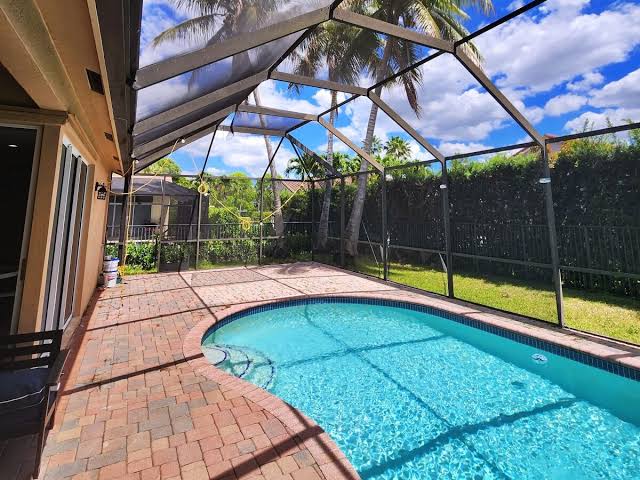
| Mesh Screen Enclosures | High (Direct sunlight) | Maximum (Open airflow) | Moderate (Organic debris ingress) | Debris removal and brushing |
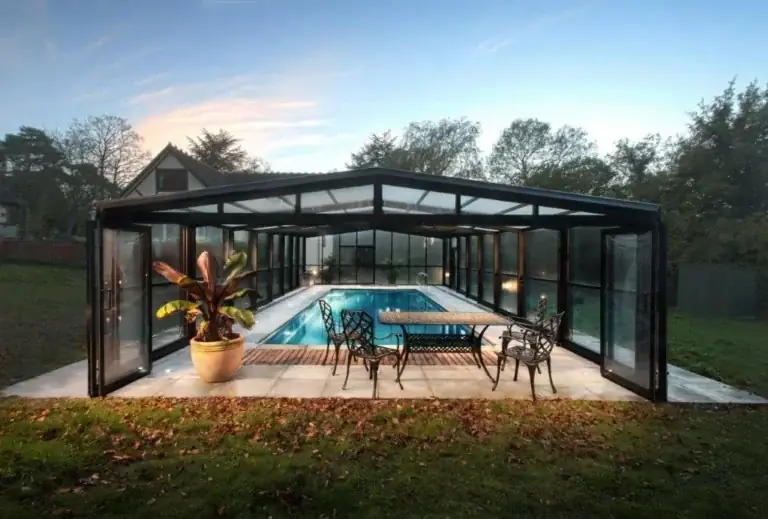
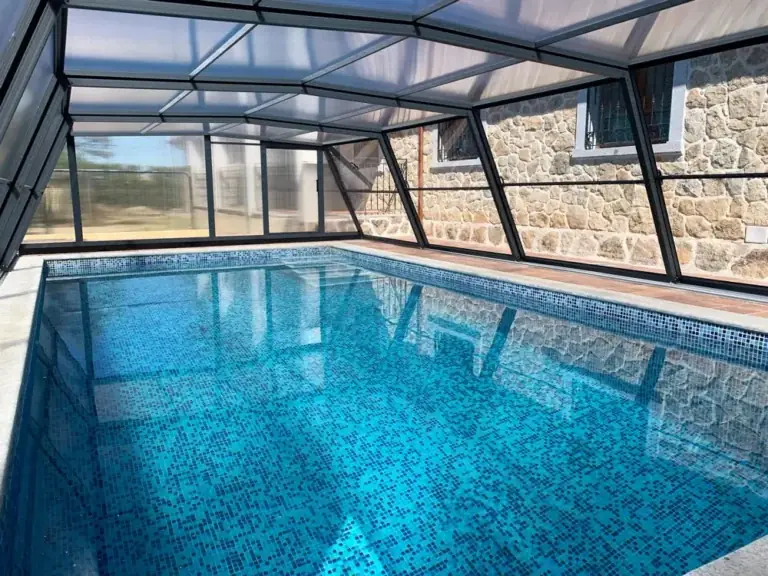
| Polycarbonate Domes | Moderate (Diffused light) | Restricted (Sealed panels) | High (Heat retention) | Dehumidification and sanitization |
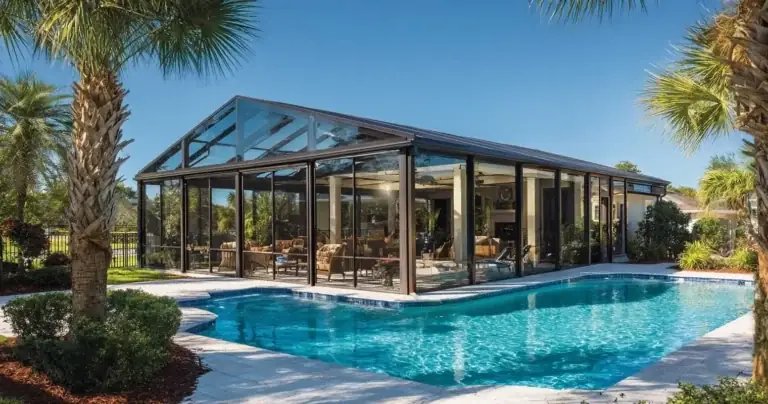
| Glass Solariums | High (Direct sunlight) | Variable (Mechanical vents) | High (Thermal gain) | Temperature control and UV balancing |
| Retractable Enclosures | Variable (Adjustable) | High (When open) | Low to Moderate | Seasonal adaptation and airflow |
Screen Mesh Enclosures
Mesh structures allow free airflow, which reduces internal heat accumulation but permits fine dust and pollen to enter freely. Operators must focus on frequent surface skimming and biological debris removal to starve developing spores.
Polycarbonate Panel Systems
Twin-wall polycarbonate panels diffuse harsh sunlight while trapping significant thermal energy. This trapped heat accelerates chemical dissipation, requiring automated controllers to maintain stable sanitizer levels.
Glass Solarium Structures
Glass environments maximize solar gain and maintain high internal air temperatures year-round. These structures demand robust HVAC integration to prevent excessive humidity and condensation on structural joints.
Retractable Mechanical Assemblies
Telescopic units offer adjustable configurations that allow natural ventilation during favorable weather conditions. Opening sliding sections flushes stale air and reduces localized humidity levels effectively.
Detailed Real-World Implementation Scenarios How to manage algae in pool enclosures
Applying management protocols requires adapting to specific environmental constraints and geographic challenges. Examining distinct scenarios clarifies practical operational decisions.
Humid Subtropical Coastal Zones
Coastal environments combine high ambient temperatures with persistent atmospheric moisture. Operators in these regions must install industrial-grade dehumidifiers and maintain higher stabilizer levels to protect free chlorine from intense sunlight.
Enclosed Urban Courtyards
Urban properties often feature restricted airflow due to surrounding masonry walls and tight property lines. These tight spaces trap organic particulate matter, necessitating aggressive multi-stage micro-filtration and daily wall brushing routines.
Shaded Woodland Properties
Properties surrounded by heavy forest canopies experience continuous organic loading from falling needles, pollen, and sap. Maintenance teams must deploy fine micro-mesh screening inserts and run continuous skimming filtration cycles.
Arid Desert Installations
Desert properties face severe dust storms that deposit fine silica and organic nutrients directly into the water. Operators must balance frequent backwashing schedules with specialized algaecide applications to prevent stubborn mustard algae blooms.
Planning, Cost, and Resource Dynamics
Financial planning on how to manage algae in pool enclosures extends beyond routine chemical purchases. Effective budgeting requires accounting for recurring operational expenditures and specialized equipment investments.
| Expense Category | Primary Cost Drivers | Financial Impact | Optimization Strategy |
| Chemical Treatments | Chlorine, algaecides, balancers | Moderate to High | Bulk purchasing and automated dosing |
| Filtration Media | Sand, cartridge, DE replacements | Moderate | Regular backwashing and deep cleaning |
| Energy Consumption | Pump runtimes and dehumidification | High | Variable-speed pump scheduling |
| Professional Testing | Laboratory water analysis | Low to Moderate | Investing in reliable digital test kits |
Opportunity costs emerge when neglected water quality forces complete draining and refilling of large residential pools. Comprehensive financial planning includes contingency funds for emergency algaecide treatments and unexpected mechanical repairs.
Tools, Strategies, and Support Systems
Executing a successful prevention strategy relies upon specialized equipment, accurate testing instruments, and professional support networks.
-
Digital Photometers: Provide precise chemical readings compared to standard test strips.
-
Variable-Speed Pumps: Allow continuous low-flow circulation that reduces electricity consumption while maintaining filtration.
-
Salt Chlorine Generators: Maintain steady sanitizer residuals without manual daily dosing.
-
Robotic Cleaners: Scrub vertical walls and floor surfaces to remove microscopic spore layers.
-
UV Sterilizers: Disrupt cellular DNA in circulating water before spores can anchor to pool surfaces.
-
Ozone Systems: Oxidize organic contaminants rapidly, reducing overall chlorine demand.
-
Automated Dosing Units: Adjust pH and sanitizer levels dynamically based on real-time sensor feedback.
Relying on specialized tools minimizes human error and ensures consistent water parameter stability across changing seasons.
Risk Landscape and Failure Modes
Unmitigated maintenance risks can lead to severe biological takeovers and structural damage. Understanding common failure modes informs proactive intervention strategies.
-
Chlorine Lock: Occurs when stabilizer levels exceed optimal ranges, rendering sanitizers ineffective against developing blooms.
-
Filter Channeling: Creates preferential flow paths through sand or cartridge media, allowing microscopic spores to bypass filtration.
-
Surface Micro-Etching: Occurs in plaster finishes, providing microscopic crevices where resistant black algae roots securely.
-
Inadequate Air Exchange: Fosters persistent condensation that corrodes metal fixtures and breeds airborne mold spores.
Establishing rigorous monitoring schedules catches parameter drift before minor imbalances escalate into full-scale biological outbreaks.
Governance, Maintenance, and Long-Term Adaptation
Governance frameworks regarding how to manage algae in pool enclosures depend upon disciplined maintenance routines and structured evaluation cycles. Property owners should establish formalized operational schedules across seasonal intervals:
-
Spring Preparation: Involves deep cleaning filter media and shocking the water to eliminate overwintering spores.
-
Summer Operation: Requires daily sanitizer checks and bi-weekly wall brushing to prevent localized growth.
-
Autumn Review: Includes clearing perimeter debris and inspecting automated ventilation seals for wear.
-
Winter Monitoring: Focuses on maintaining stable chemical baselines during reduced usage periods.
Review cycles must adapt to shifting environmental conditions and changing bather loads. Documenting all chemical adjustments preserves historical performance data for future seasons.
Measurement, Tracking, and Evaluation Metrics
Assessing the effectiveness of algae management protocols involves tracking both quantitative and qualitative indicators over time.
-
Free Chlorine Residuals: Confirm active sanitizing capacity within the water column.
-
Total Alkalinity Measurements: Ensure pH stability and prevent corrosive water conditions.
-
Phosphate Test Levels: Indicate incoming nutrient loads from environmental sources.
-
Turbidity Assessments: Utilize meters to measure suspended particulate density accurately.
Evaluating these metrics provides objective feedback on chemical management strategies and informs necessary adjustments to maintenance schedules.
Common Misconceptions and Oversimplifications How to manage algae in pool enclosures
Persistent misconceptions often lead operators down ineffective or costly paths during outbreak remediation.
-
Myth: Super-chlorinating once a month completely prevents all forms of algae growth.
-
Correction: Continuous sanitizer residuals and proper filtration are required because chlorine dissipates rapidly under trapped solar heat.
-
Myth: Clear water guarantees a completely sterile and algae-free aquatic environment.
-
Correction: Spores often begin developing on shaded wall surfaces before visible cloudiness or green discoloration appears.
-
Myth: All algae strains respond identically to standard copper-based algaecides.
-
Correction: Resistant black algae features a protective outer layer that requires specialized brushing and targeted metallic treatments.
-
Myth: Enclosures eliminate the need for algaecide maintenance because they block outdoor weather.
-
Correction: Enclosed microclimates trap humidity and heat, which accelerates biological reproduction rates compared to open-air pools.
Ethical, Practical, and Contextual Considerations
Chemical management carries broader responsibilities concerning environmental safety and wastewater disposal. Operators must ensure backwash water and concentrated chemical treatments comply with local environmental discharge regulations to prevent damage to surrounding landscaping and municipal storm systems. Furthermore, maintaining balanced water chemistry prevents skin and eye irritation for swimmers, fulfilling vital practical and safety obligations.
Conclusion
Synthesizing principles on how to manage algae in pool enclosures ensures that aquatic facilities remain clean, safe, and structurally sound. Managing biological growth within protective structures requires rigorous chemical discipline, advanced mechanical filtration, and continuous environmental monitoring. Balancing sanitizer residuals against trapped thermal energy ensures long-term water clarity and asset preservation. Systematic planning, coupled with disciplined maintenance protocols, transforms enclosed aquatic spaces into pristine, healthy environments across every season.